Incense burners were widely produced and used during the Goryeo Dynasty. Heavily influenced by Buddhist culture, people used them to create a sacred atmosphere during religious rituals, but they also frequently burned incense in their daily lives.
Among these, the ‘Goryeo Celadon Openwork Incense Burner with Muryangboju (Boundless Jewel) Motif’ stands out as a magnificent cultural heritage piece, distinguished by the exquisite color and form of its celadon glaze. It consists of three distinct elements: a spherical openwork lid, a lotus-shaped body, and a flat base supported by three rabbits. These diverse components are organically integrated, creating a masterpiece that employs a wide array of techniques —including incising, relief carving, openwork, slip painting (toehwa), inlaying, and appliqué (cheophwa). A vent at the junction of the lid and body allows smoke to escape, while a spherical openwork ‘jewel’ (boju) placed above it ensures the smoke disperses widely. For the lotus-shaped body, individual petals were crafted separately and attached in three layers using the appliqué technique, thereby ornamenting the area where the body meets the base.
What caught my eye about this incense burner was its openwork, spherical boju (sacred jewel). I first became interested in the boju while attending a lecture by the archaeologist Kang Woo-bang. He explained, “The boju represents the life force that fills the universe; while it has no fixed form in reality, a spherical shape was adopted through imagination to give it visual expression. To better convey this boundless energy, it was crafted not as a perfect sphere, but as an openwork structure of interconnected lines resembling a sphere. Since the dragon — a sacred creature — is an embodiment of the boju, the idea of yeonggi-mun (sacred energy patterns) radiating from the boju is analogous to a massive surge of energy emanating from a dragon’s mouth. The Goryeo celadon incense burner featuring an openwork boju design — with a boju at the center of a lotus — is an artifact of profound symbolic significance.”
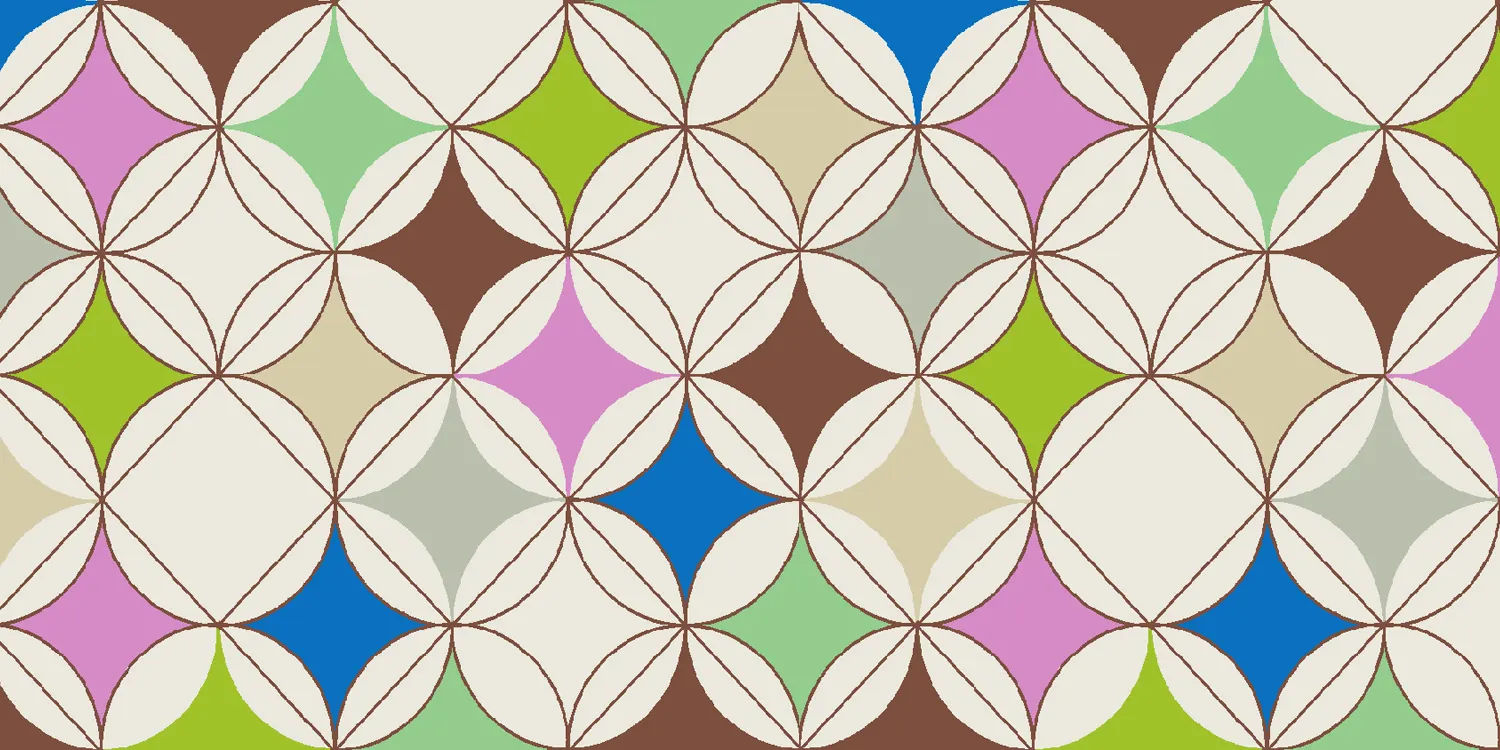
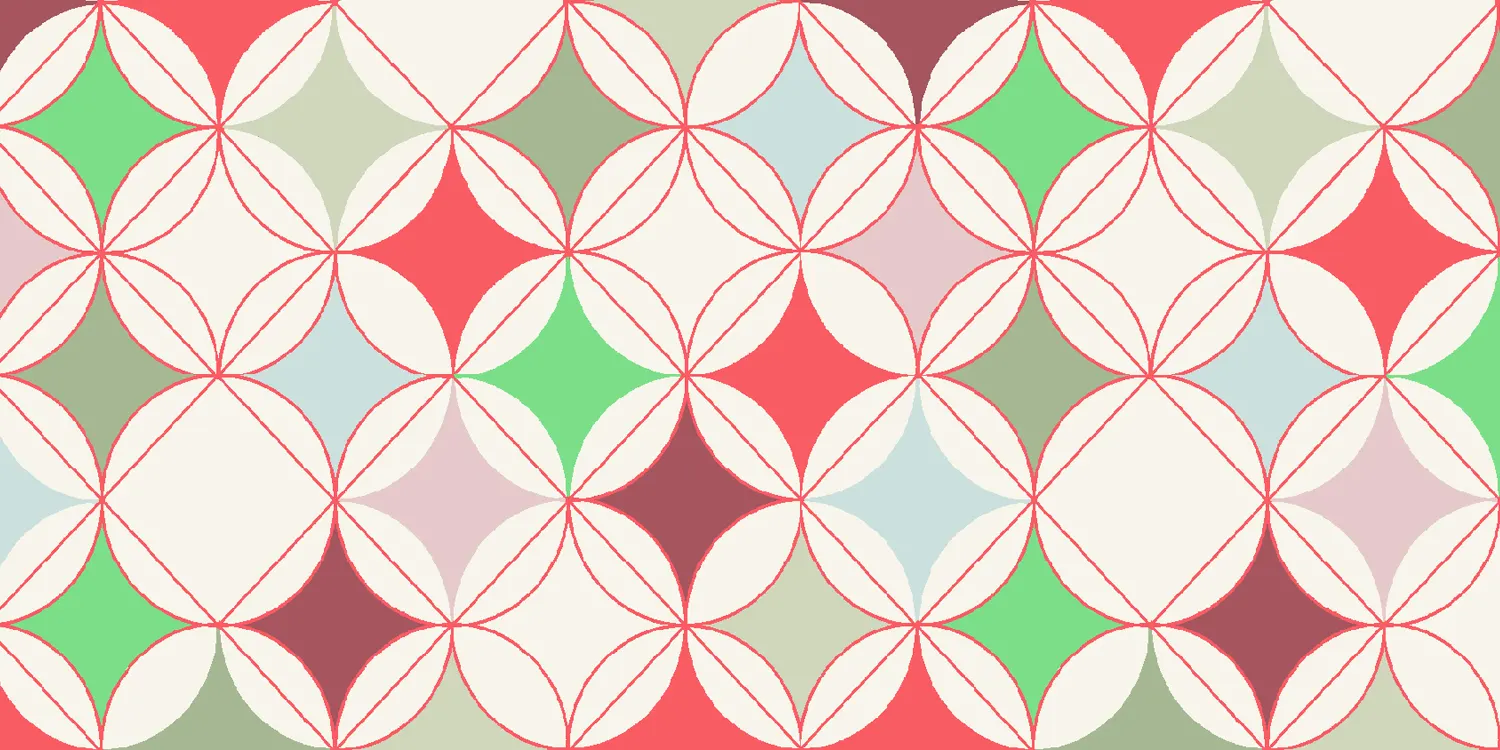
This yeonggi-mun motif allowed for a wide range of design applications. Since creating a sense of flow is crucial in design, I needed to transform the original spherical form into a flow pattern that reflected my own unique style. I experimented with applying color both inside and outside the patterns, aligning the choices with current trends and the intended use of the design. I also refined the motifs by omitting intricate details and simplifying the forms through the fluid connection of lines.
* Luck