The rose is synonymous with floral beauty—often hailed as the “Queen of Flowers” worldwide—and likely carries more symbolic meaning than any other flower, representing everything from love to death. While there are around 100 known species, some 25,000 varieties have been cultivated, resulting in an ever-expanding range of colors and shapes. Roses have long been grown for ornamental purposes in Korea; Kang Hui-an’s ‘Cheongcheon Yanghwa Sorok’ (‘Treatise on Flower Cultivation’) refers to the rose as a “fine friend” (‘gau’) and ranks it fifth among nine grades of flowering plants, and it frequently appears in folk paintings from the late Joseon Dynasty. Records in the ‘Dongguk Sesigi’ (‘A Record of Seasonal Customs in Korea’) also note that in the fifth lunar month, people would pick yellow roses to make rice cakes, which were then pan-fried in oil. Roses that bloom throughout the seasons are known as ‘Jangchunhwa’ (‘flower of eternal spring’), symbolizing youth and serving as an emblem of good fortune.
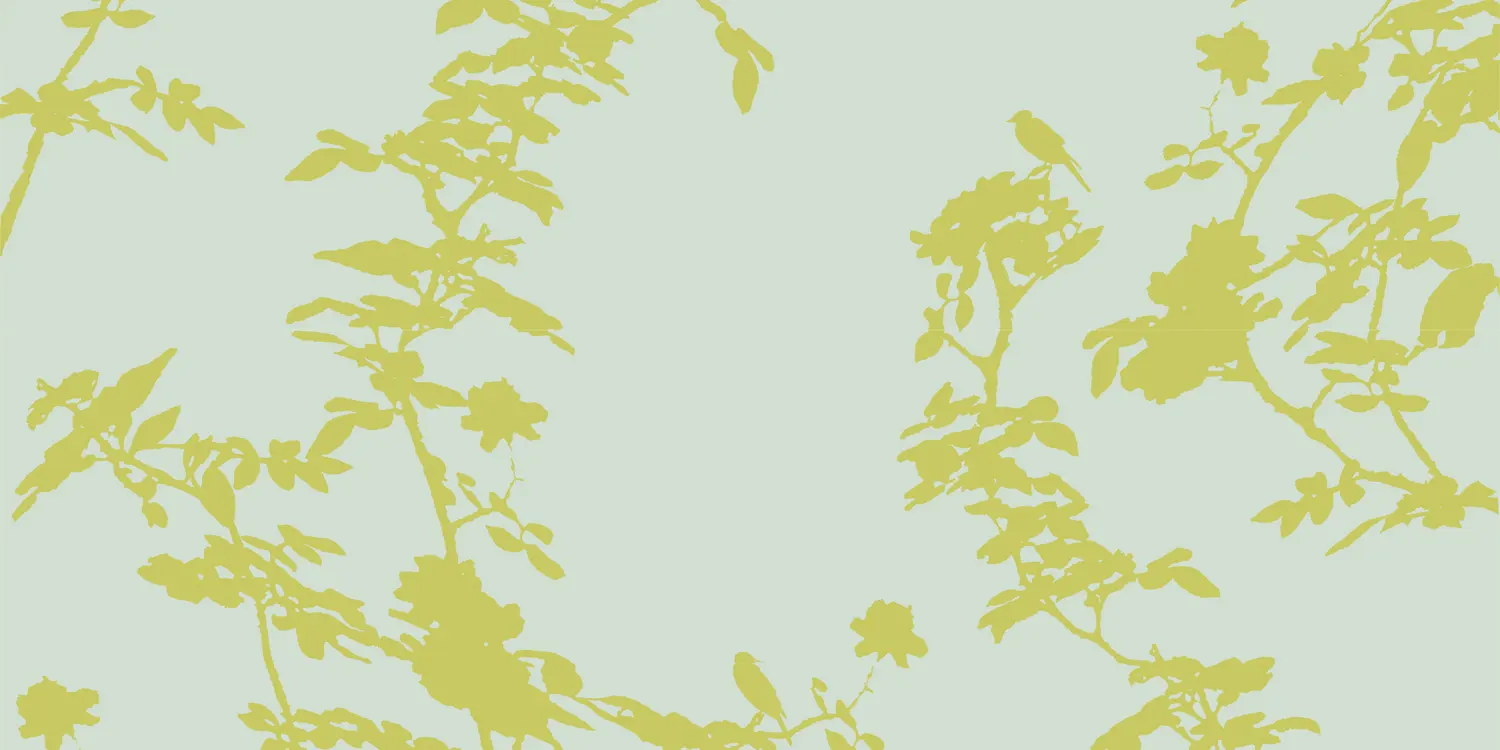
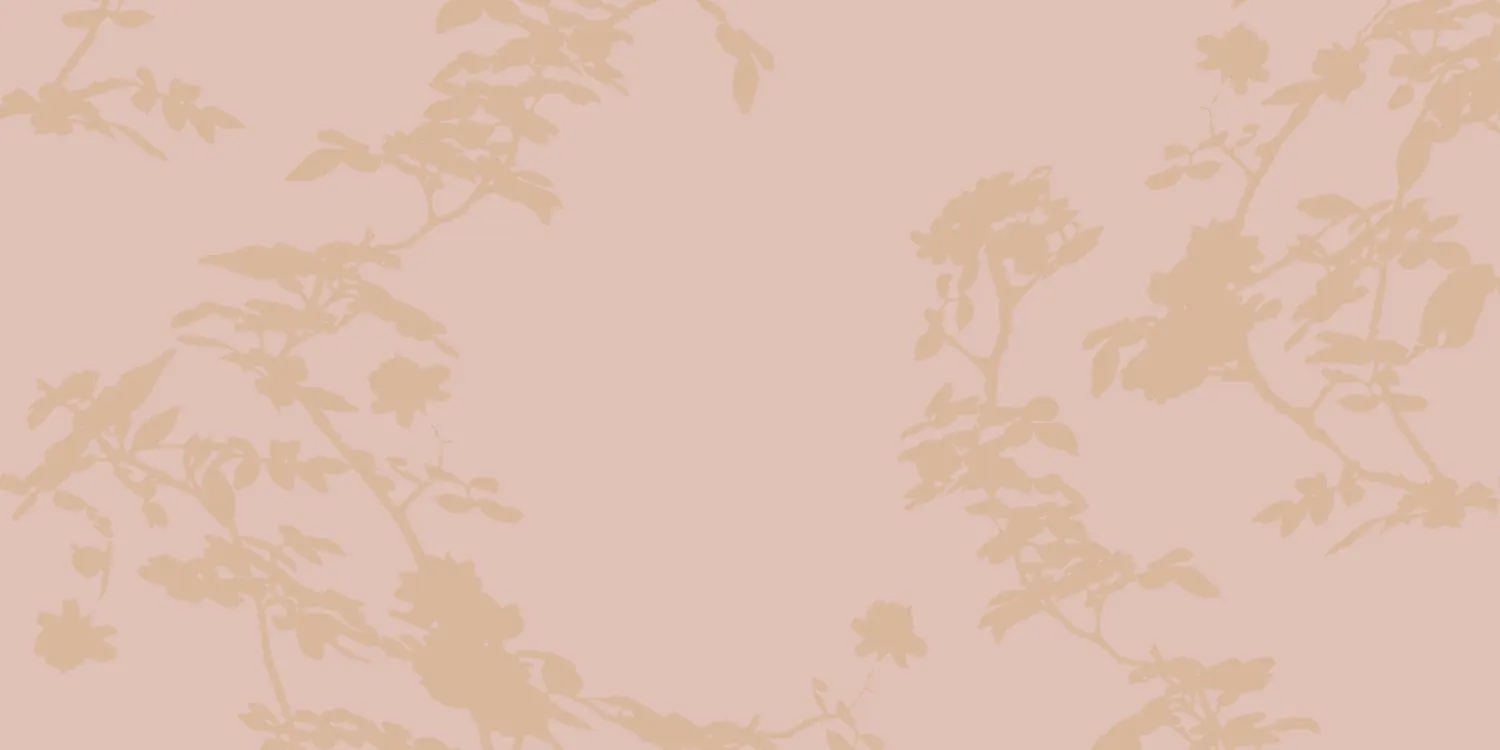
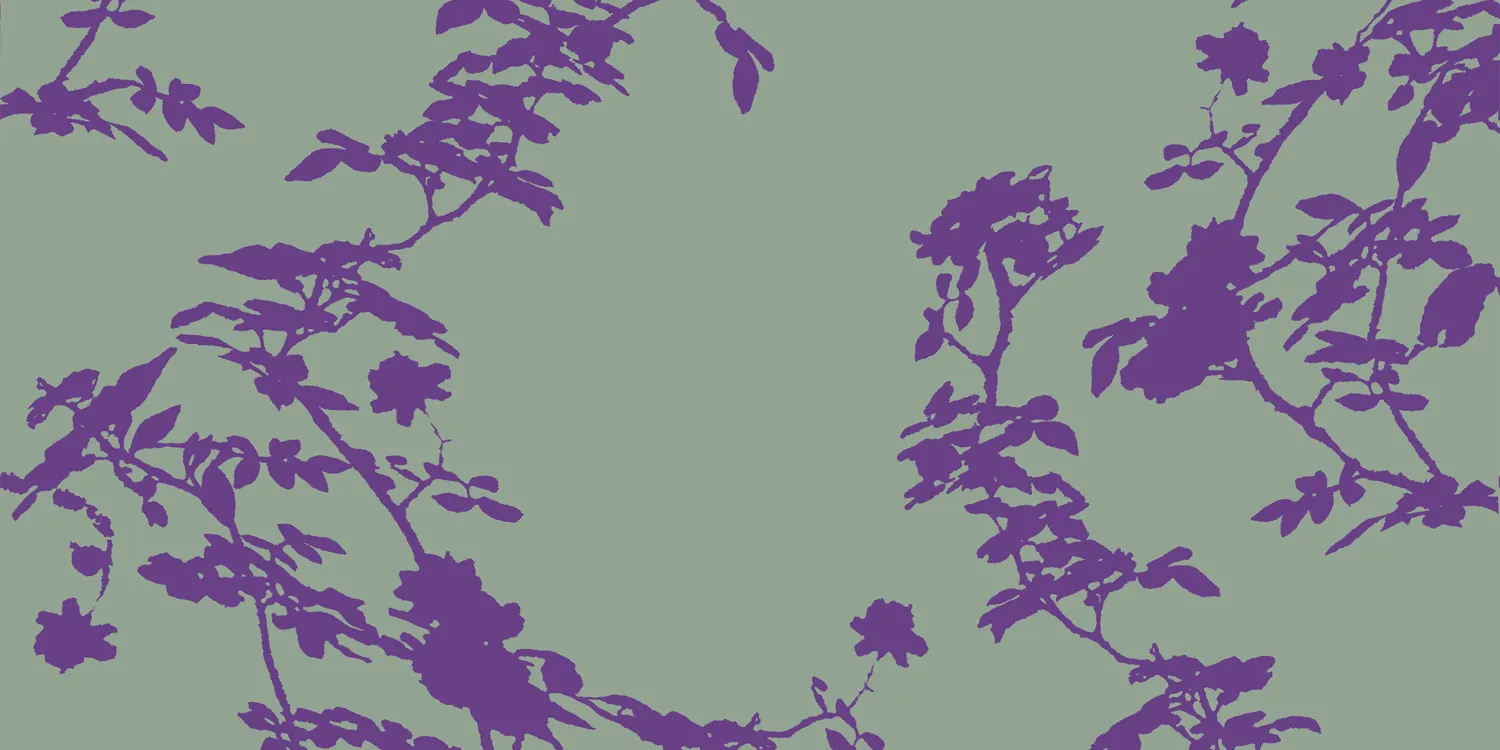
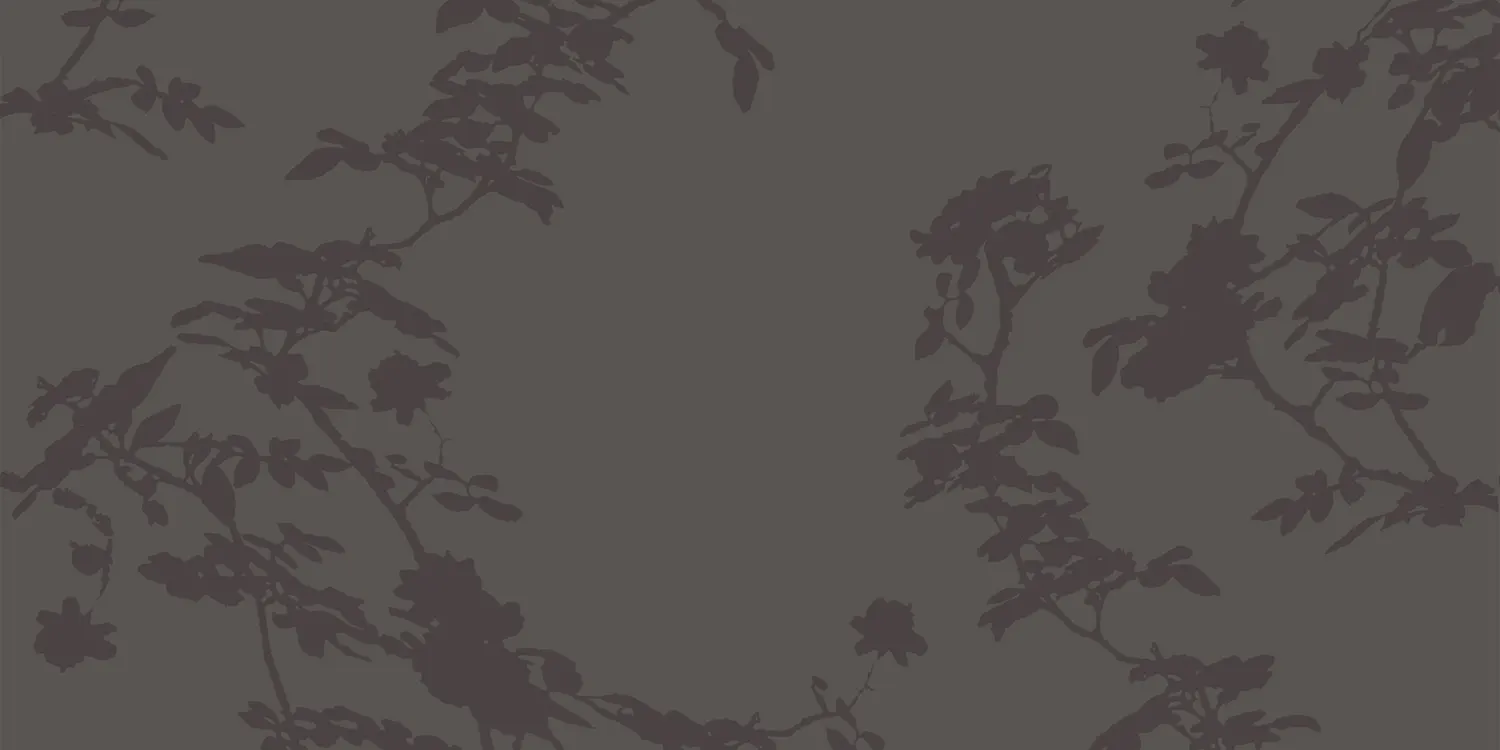
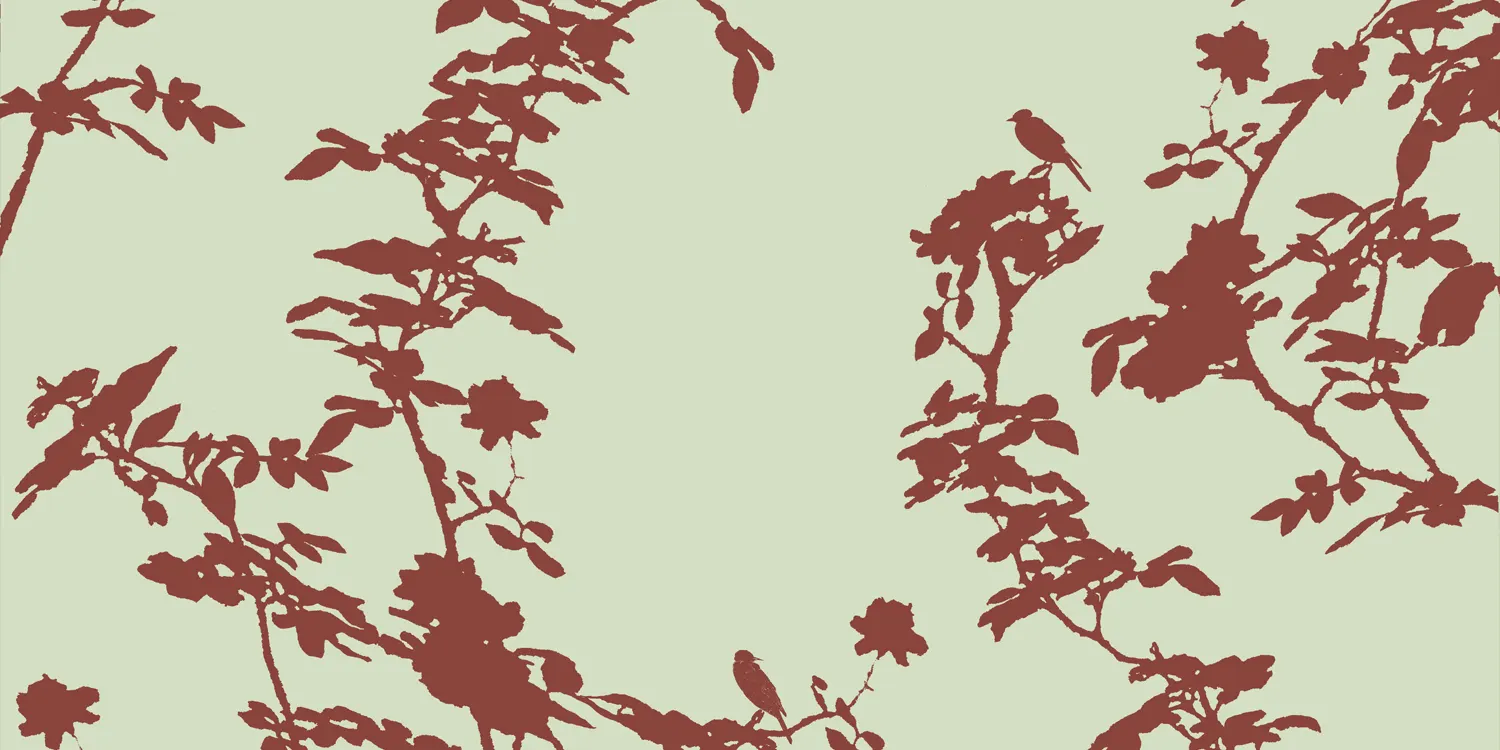
When creating pattern designs, sometimes the best results come from preserving the original form, while at other times, maximizing the object’s inherent qualities leads to the creation of something entirely new. Good ideas may emerge the more closely one examines a subject, or fresh insights might strike when revisiting an idea set aside for a time. Inspiration can even be found in scenery encountered without any specific intent. Nature often plays the most significant role in these moments. The rose pattern, for instance, was conceived after observing the shadow of rose vines cast upon a traditional paper sliding door on a moonlit night. By digitally printing the pattern onto hanji and installing a light wall, a romantic atmosphere was created—evoking the image of rose vine shadows cast in the moonlight.
* Rose