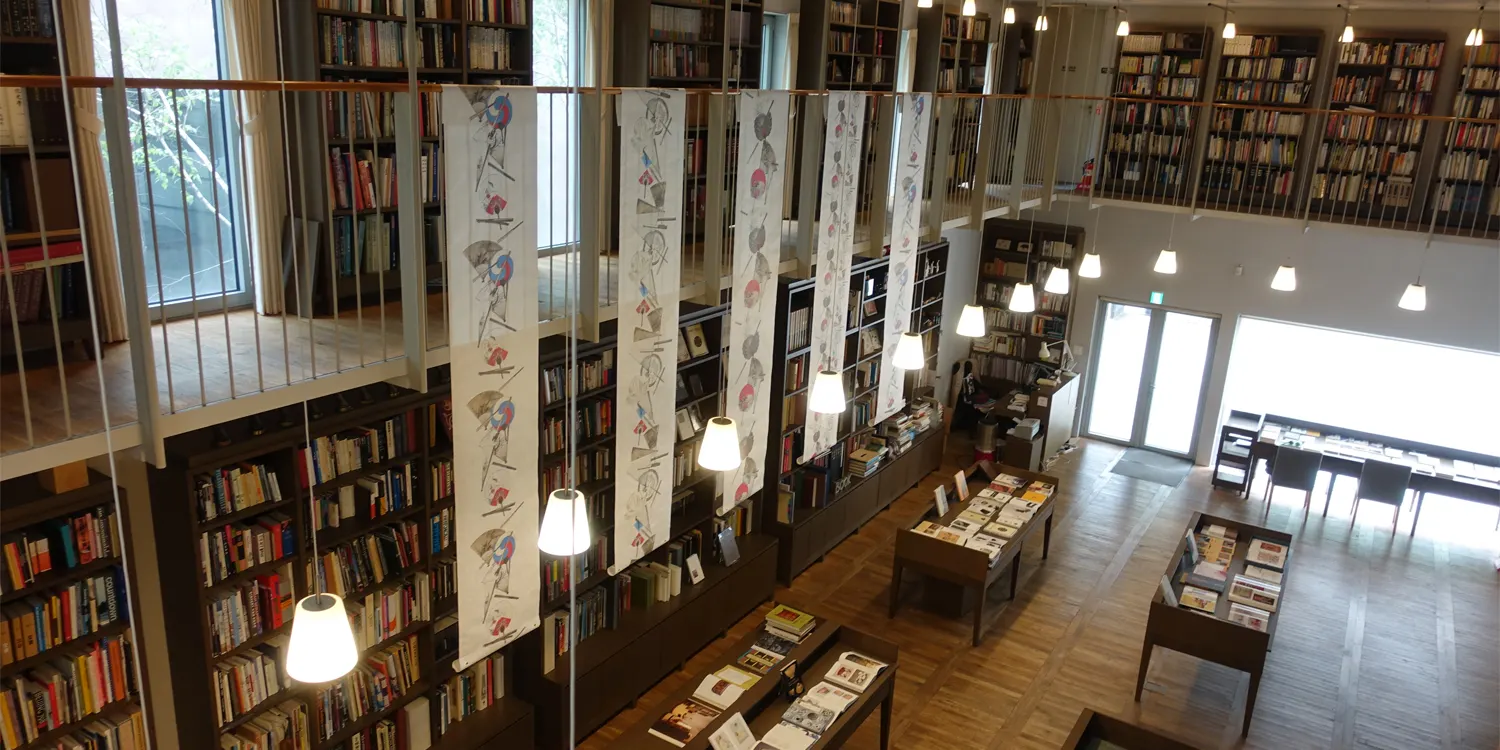
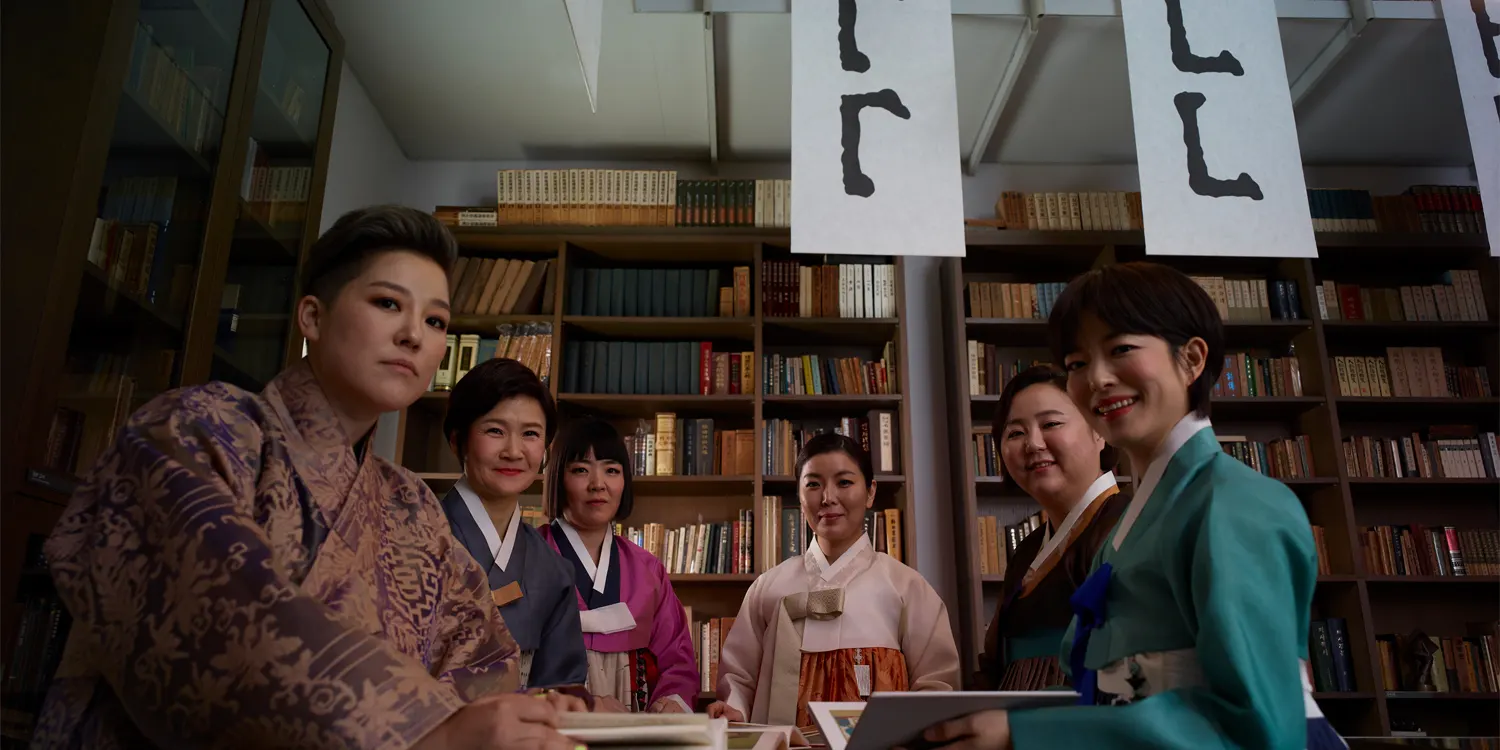
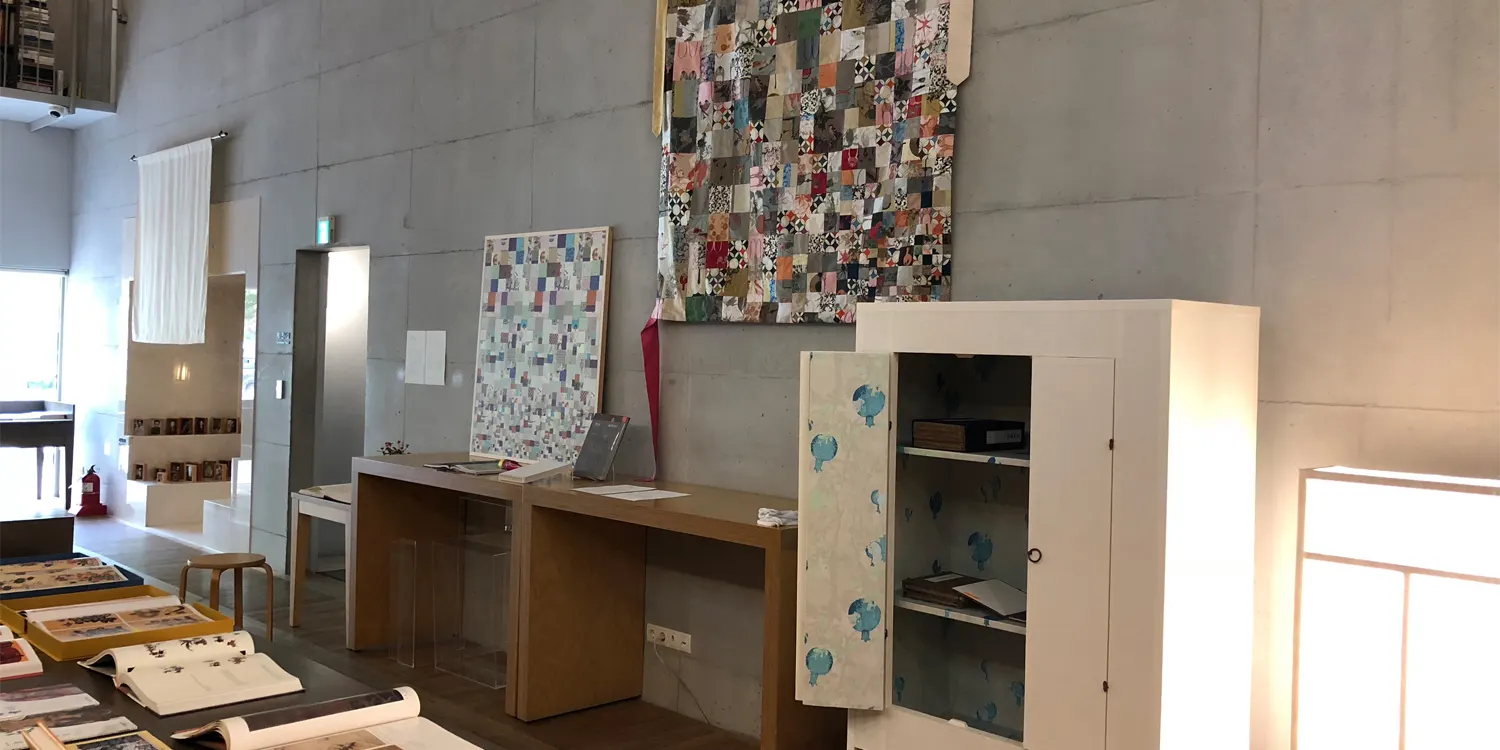
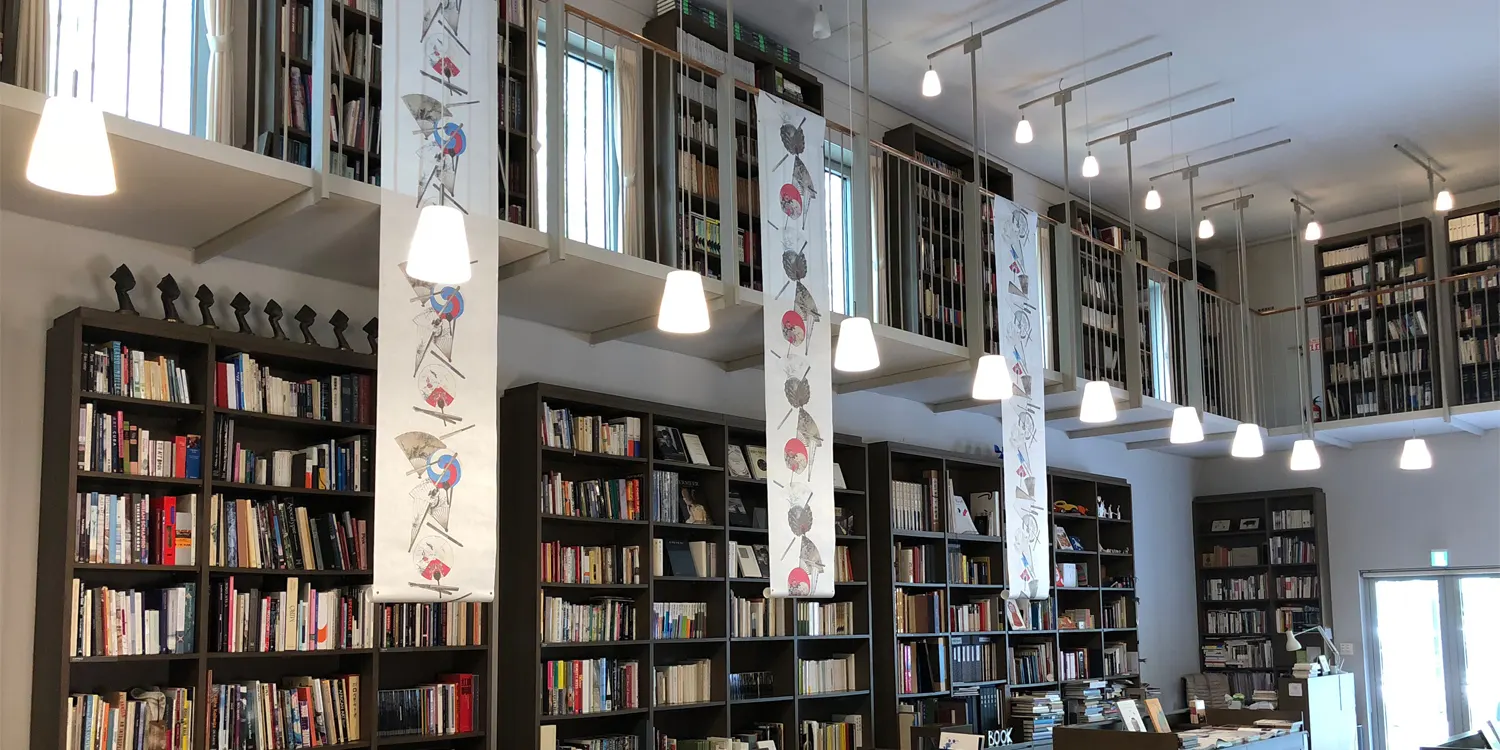
Having long loved Yeolhwadang’s books, I recently had the opportunity to visit the Yeolhwadang Book Museum. Up to then, I had worked with subjects ranging from Korean folk painting, ceramics, literati painting, and court culture to Korea’s nature and architecture, and more recently, I even published a book entitled Mooni , which collected my pattern works from 1986 to 2016, so my visit to Yeolhwadang, which is publishing a book documenting a wide range of traditional cultures, was very interesting.
Not only in the 1980s, but even up to the 2000s, it was not easy to come across exhibitions or research that properly organized old culture. So, I worked by drawing inspiration from limited documents and authentic works by a few collectors. The main materials were Daewonsa’s Colorful Books series, exhibition catalogs from museums, and items from the antique art market in Janganpyeong. The folk painting folding screen by Mr. Yoon Yeol-su of the Gahoe Museum and the traditional Korean room-craft items by Mr. Heo Dong-hwa of the Korean Embroidery Museum had a particularly dominant influence.
By gradually collecting wooden furniture and ceramics, especially the elegant and modern late Joseon period antiques, I was able to touch and feel them directly, and I became even more captivated by their beauty, which I could not fully appreciate through photographs. The form of the soban (small tray), the pure and abundant lines, textures, and colors of the tea bowl...The day I bought the official robe paper (gwanbokjang), the first type of paper I had ever encountered, I kept staring at it endlessly. In the 1990s and the early 2000s, I worked on applying antiques to everyday life. Although an antique was sometimes used as it was in its original antique state, I also attempted to modernize it, and through two annual promotions, verified and experimented with its uses. However, this process is still not easy even now.
The aesthetician Woo Hyun (又玄) Ko Yu-seop (高裕燮, 1905–1944) said that the unique characteristic of Korean art was “the technique of the untrained” and “the planning of the unplanned.” The art historian Kim Won-yong (金元龍, 1922–1993) identified “naturalism” as a feature of Korean art in that it sought to minimize artificial traces as much as possible and to find harmony with nature, as historian Kim Won-yong (金元龍, 1922–1993) described in his book Illuminating Korean Beauty.
The most difficult aspect of applying antiques to design work is harmoniously incorporating them into a consistent pattern-like framework without damaging their inherent beauty as much as possible. This is because, in order to enable today’s public to enjoy and appreciate our culture in everyday life, there are aspects that must inevitably be compromised. So perhaps for modern people or Westerners, Japanese culture — characterized by its clean, symmetrical form — might be easier to understand than Korean culture, which is marked by its “non-balanced” nature. When foreigners occasionally ask me how Korean culture differs from Japanese and Chinese cultures, I often explain by using the garden cultures of the three countries as an example. Japan artificially decorated miniature gardens within homes, while China created ornate gardens with bold shapes and large scale, but Koreans built pavilions in places with beautiful scenery and favorable feng shui, allowing them to appreciate untouched nature itself. It is a connection on a distinctly different level. Some might describe the “non-balance” of our art as unfinished or partially completed. It is like our traditional songs and folk songs, which do not rigidly follow a fixed form, but go wherever the heart leads, whether it is exciting or not, rising and falling as it goes.
A loosely patched bojagi made from leftover fabric is now being regarded as “postmodern,” and everyday folk paintings, imbued with humor and boldness, are even becoming established as visual art. I hope that this “spirit of folk art” will live on vibrantly in our daily lives and inspire us to dream of the Peach Blossom Spring. I hope that these are not merely artworks to be admired, but that they become part of our daily lives, adding the charm and elegance of practicality while reducing artificial traces, allowing us to enjoy the Korean beauty as it truly is. But for this to become a reality, the craft’s techniques must not remain merely traditional, but their wisdom must be transformed into sustainable value.
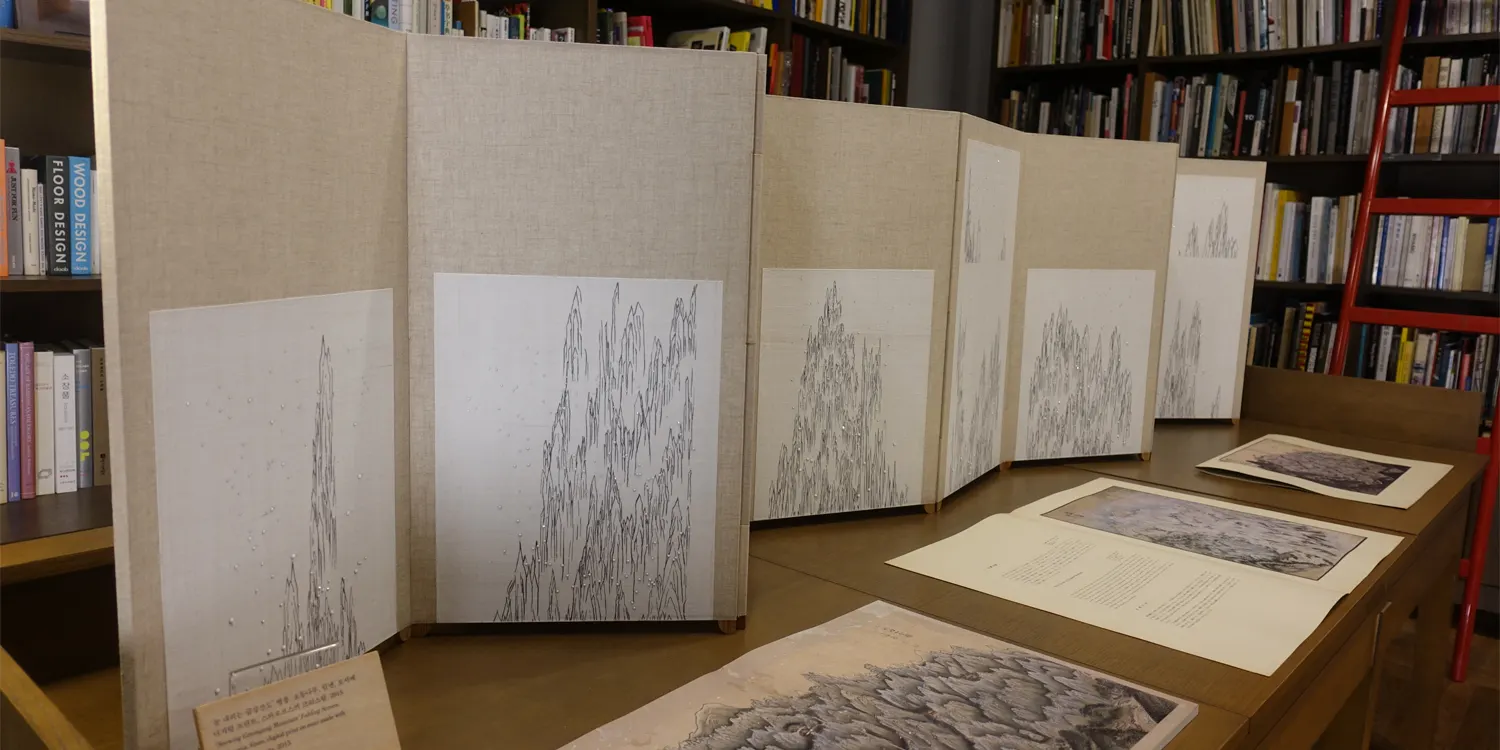
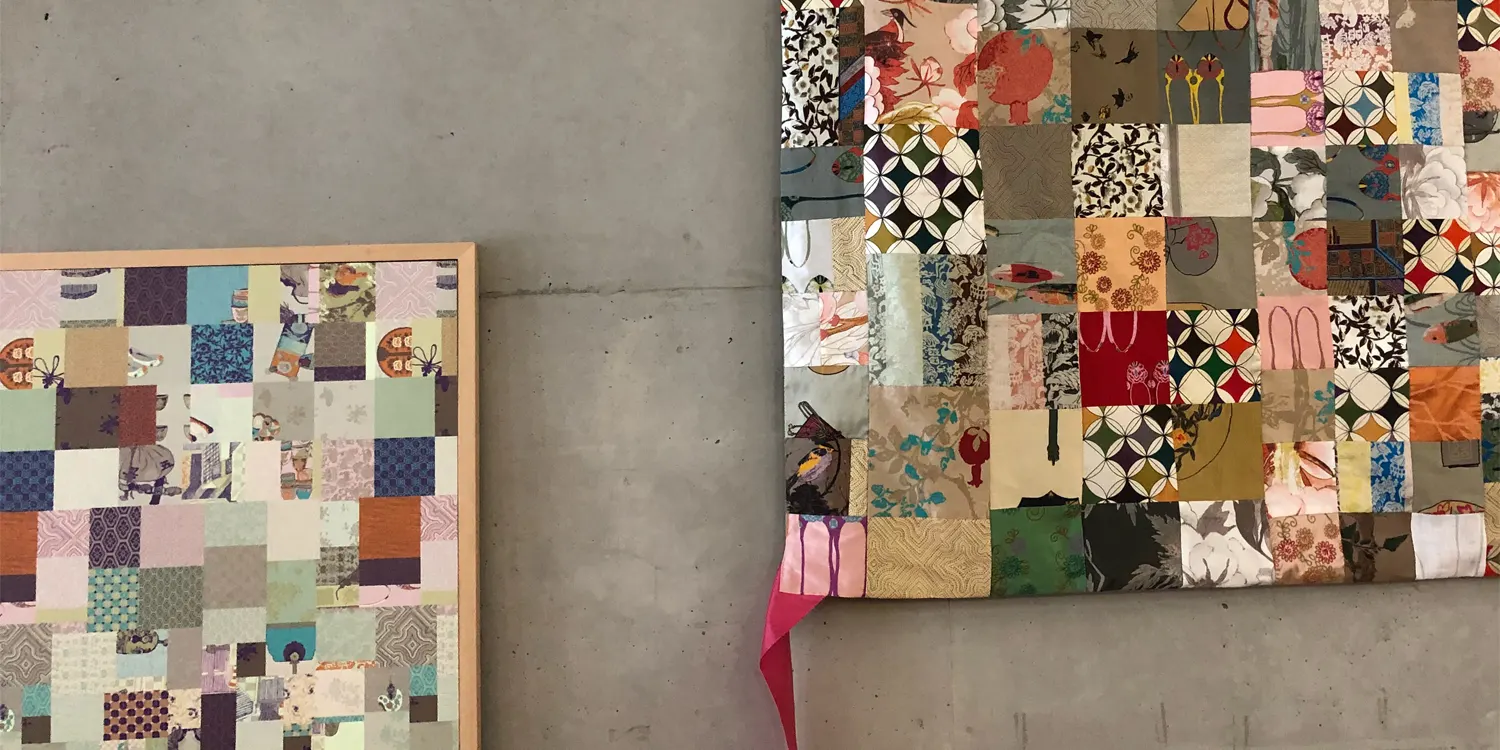
Recently, Yeolhwadang published What Is Minhwa? as part of a series, a collection of writings by the great scholar Jo Ja-yong on Minhwa. In fact, I first learned about Jo Jayong by chance when I saw the English catalog of the Emille Museum that I had received from former Seoul Museum of Art director Kim Hong-hee, and later tried to find more related materials. But it wasn’t easy. I was frustrated that I didn’t truly understand, and even if I couldn’t grasp it intellectually, I longed for someone to share with me something I could always feel deeply in my heart. At that time, I had a dreamlike reunion with Jo Ja-yong’s What Is Folk Painting? at the Yeolhwadang Book Museum, and when I got home, I read it all in one go. A little later, I heard that the Daehwadang Book Museum was planning a book exhibition on folk art as its next exhibition, and I was offered the idea of displaying my work, which is based on folk art, together within the book space. As I hurriedly set up the work, seeing the new books placed beside it, I realized there was much more to do from now on. The folk art materials that seem alive and breathing, along with the countless writings that speak kindly about them, captivate me. Like a child coming and going from a manga bookstore, visiting the Yeolhwadangchaek Museum these days is incredibly enjoyable.
Since ancient times, we have symbolically depicted our wishes on wall cabinet doors, money ribbons, and folding screens. Through such folk paintings we believed that our aspirations would come true. Zhao Zayong said this: “As a symbol, folk painting is a meaning-bearing image, in other words, an image containing the meaning of folk beliefs. When Koreans encounter an unfamiliar painting, they immediately ask what it means. It is neither a philosophical nor an abstract meaning, but rather seeking an ordinary and everyday meaning. As Songhakdo (松鶴圖) means ‘to live long,’ and as Moran-do (牡丹圖) means 'wealth and prosperity,’ the pomegranate (石榴) image signifies“many descendants,’ and the leaping koi (躍鯔圖) symbolizes“success and advancement,’ making them satisfactory as folk symbols and not demanding anything beyond that.” (from Hanmin Hwaseo Ron) As I mentioned in my book Mooni a pattern contains condensed power, bringing good meaning vividly into the space through the language of images. I think my contemporary ‘folk art’ is about embedding a simple yet beautiful meaning in patterns and helping us reclaim our abundant lives.