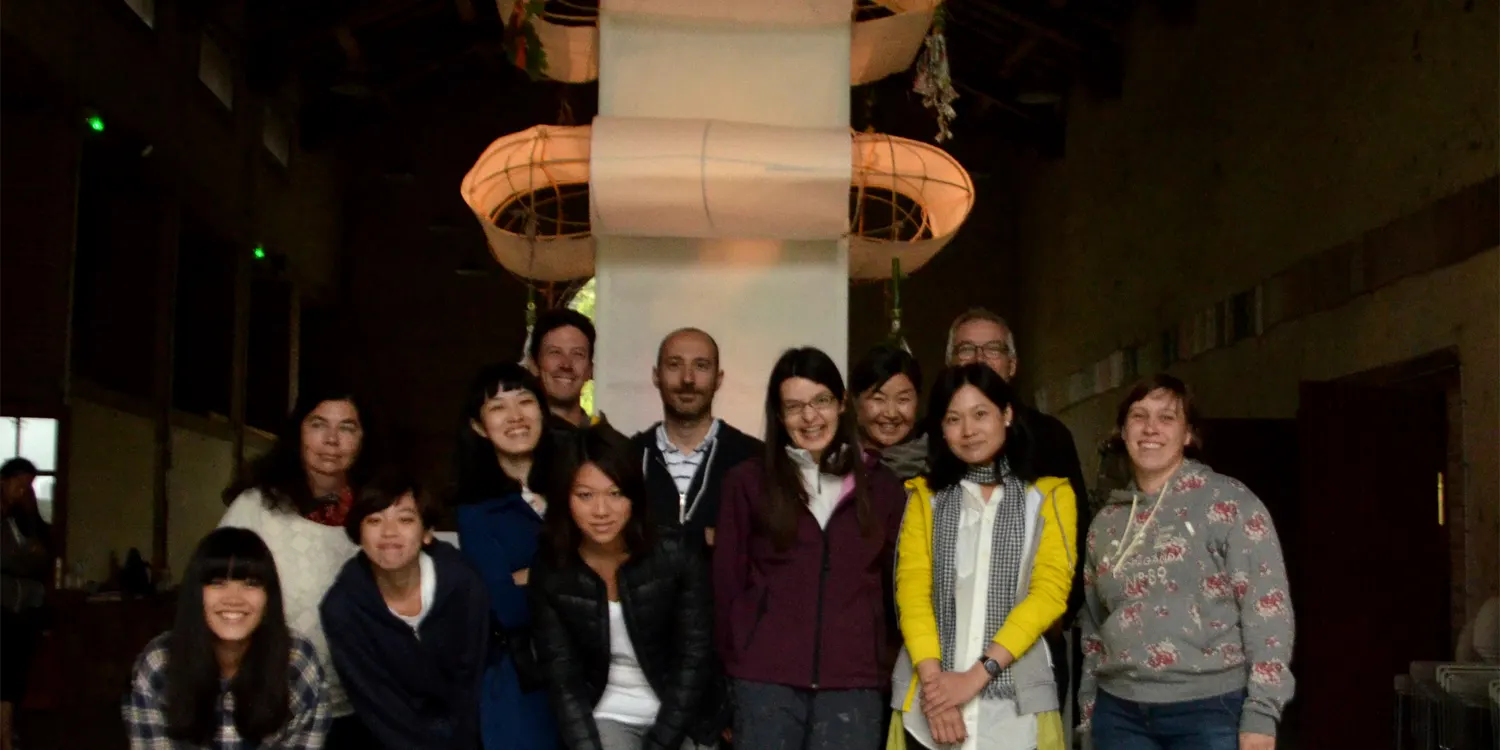
<TAP-DORI’ : OUR PATCHWORK PAGODA> WORKSHOP
1.Background We no longer live in a world where a community based on shared geography, belief and history is possible or desirable, because today we have a globalized world - a ‘global village’. What are the characteristics of this ‘global village’? How can design serve this ‘global village’?
2.Answer By exploring the complex inter-relationships between the similarities and differences within the community - by working with global and local contexts, by weaving the ‘glocal.’
3.Project The global/local community will be symbolized in two ways.
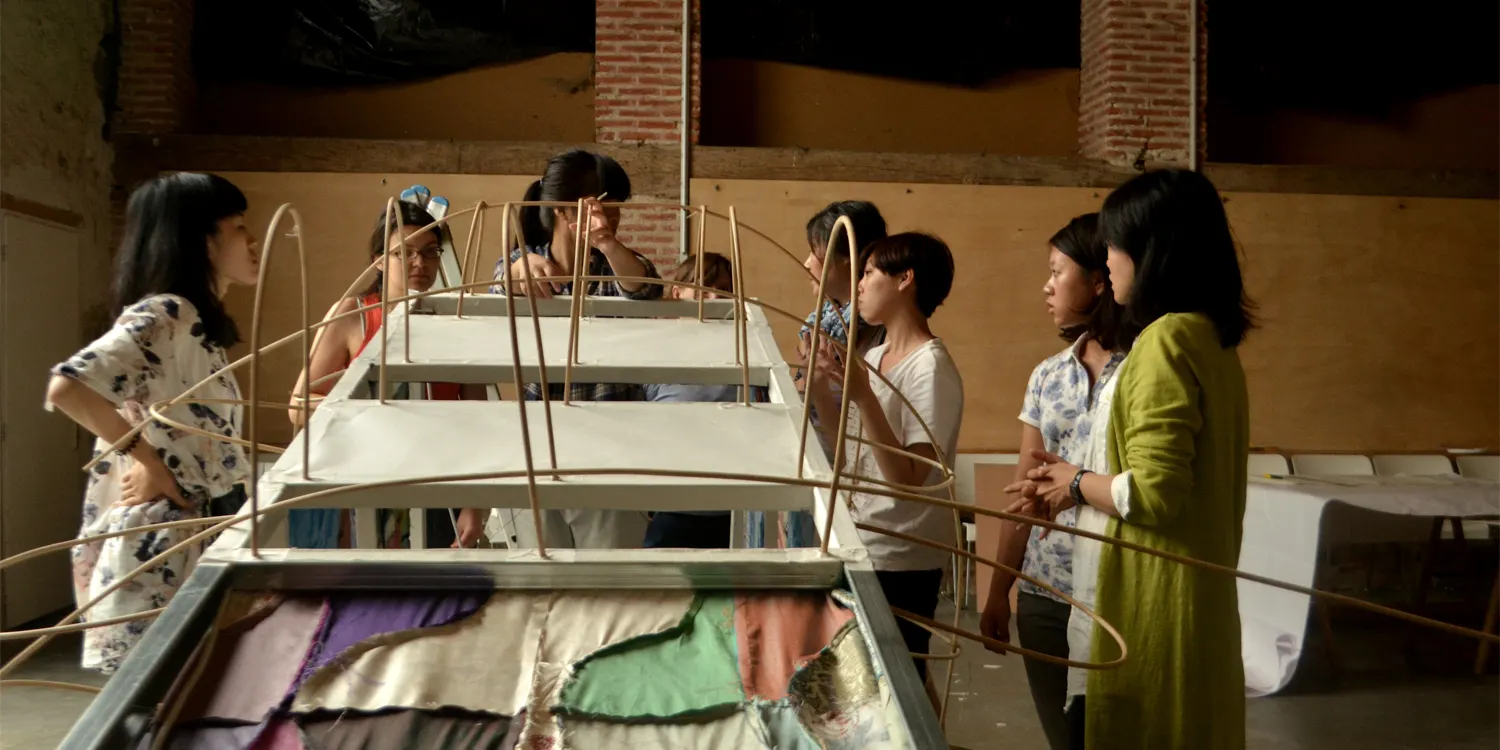
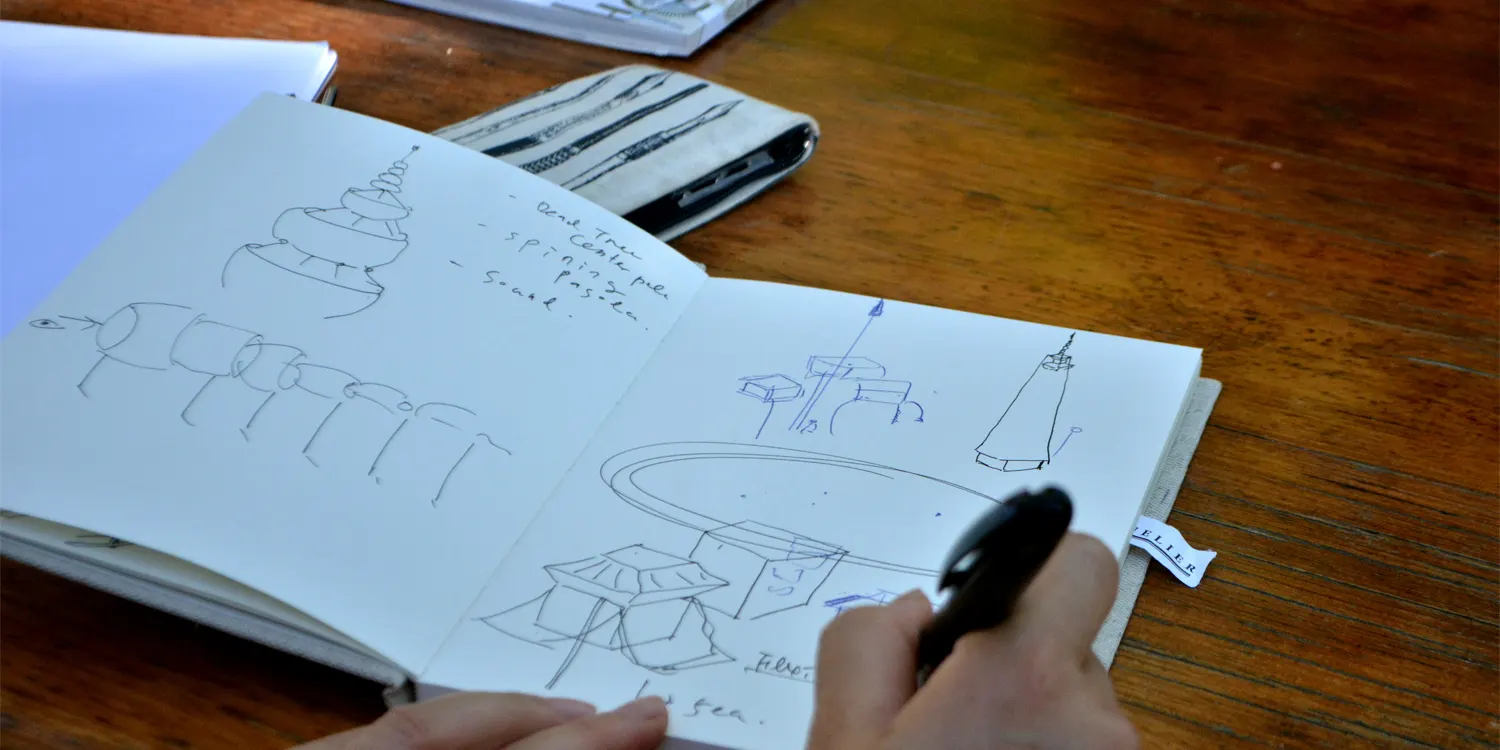
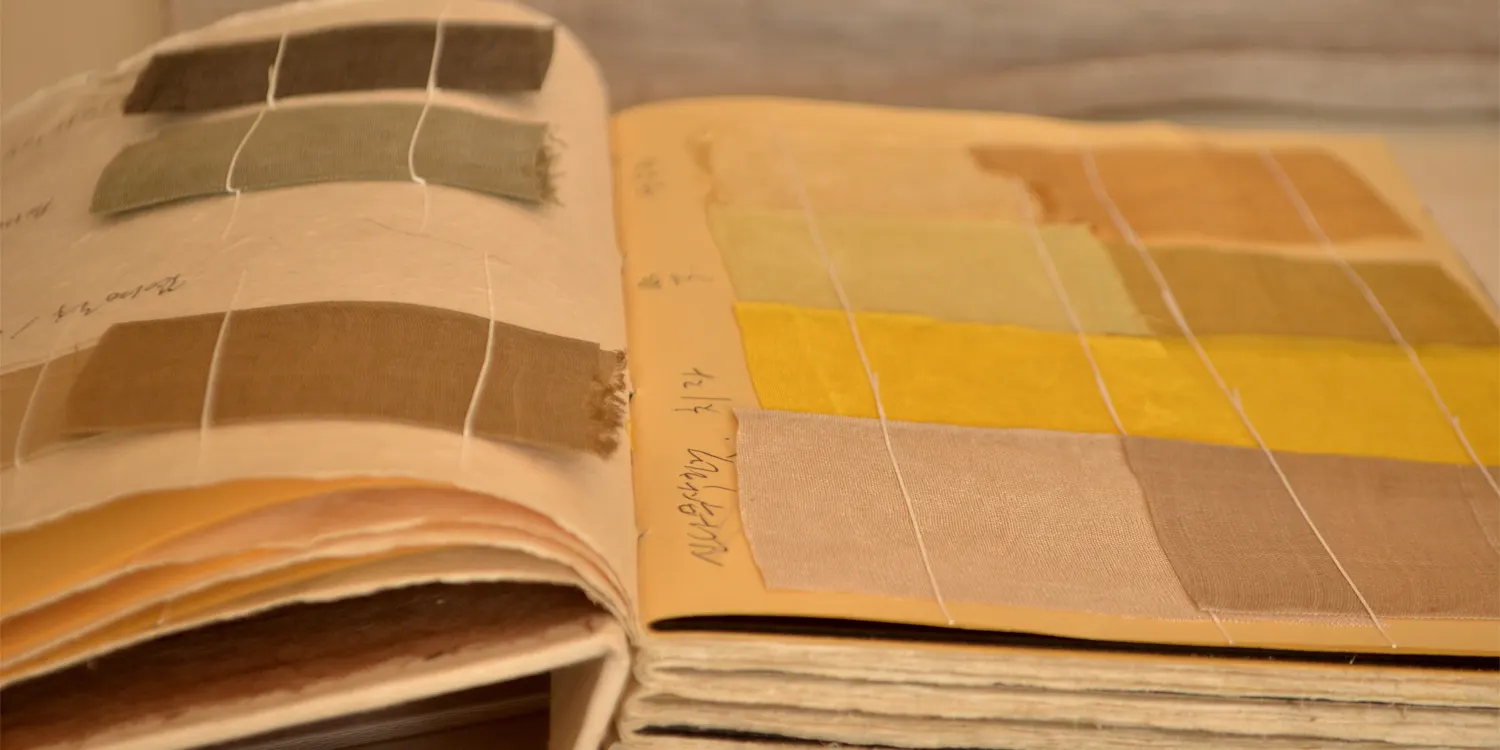
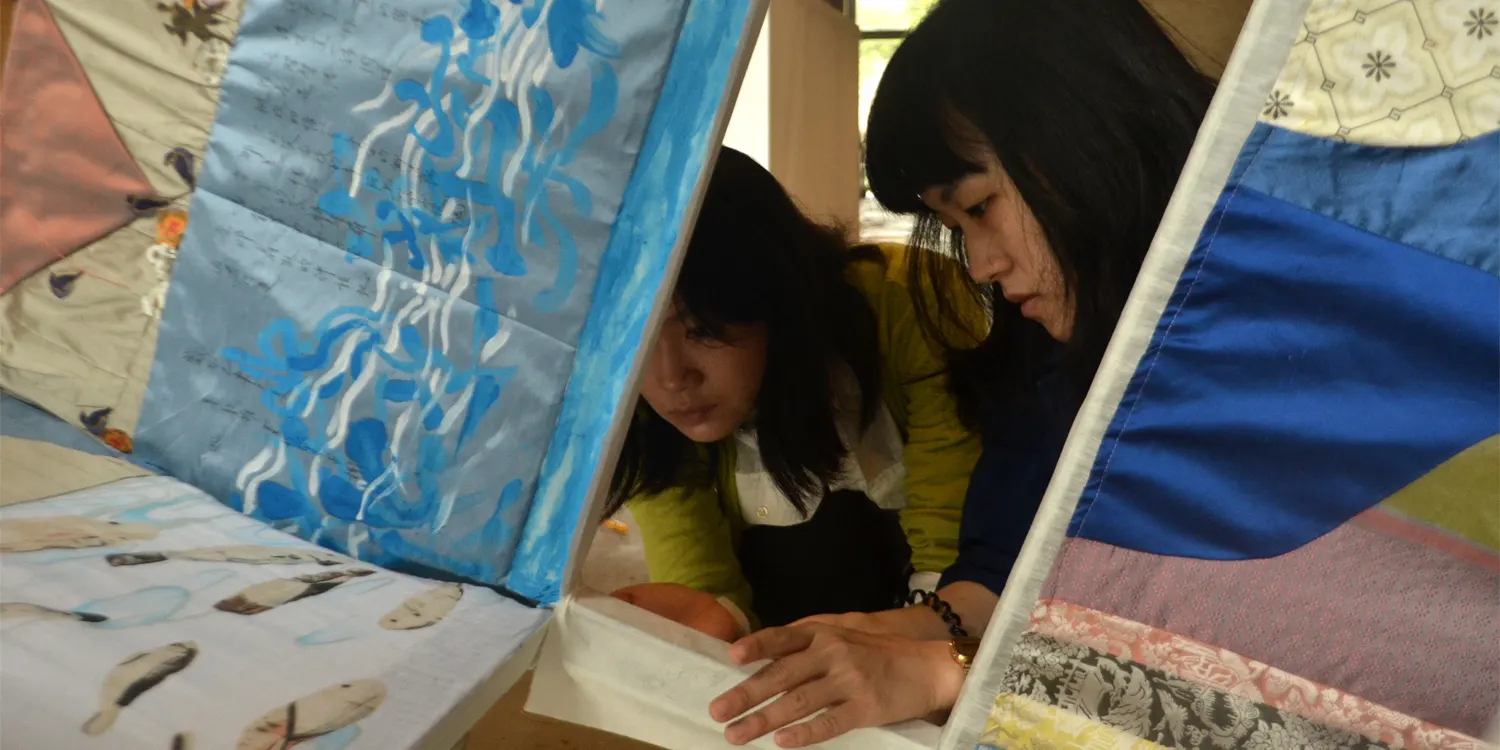
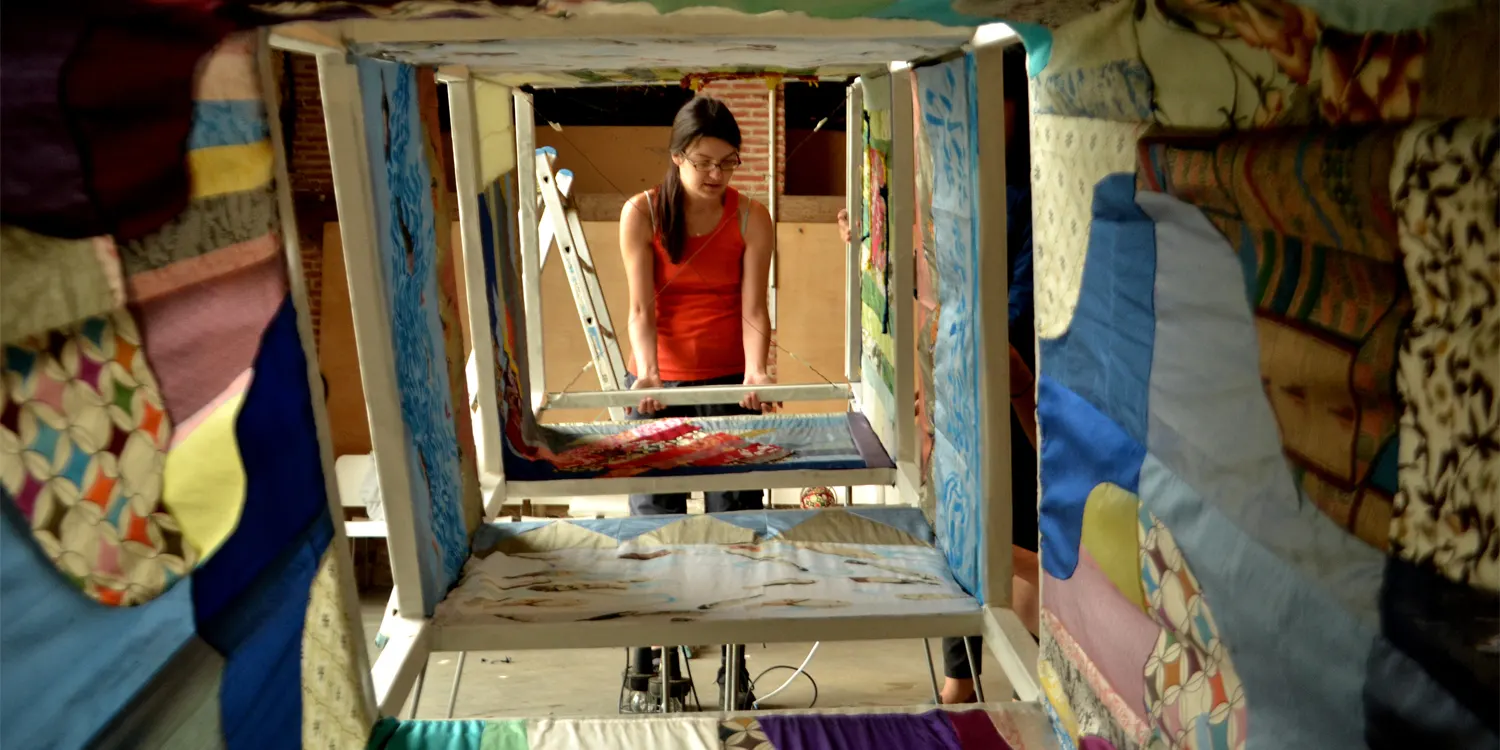
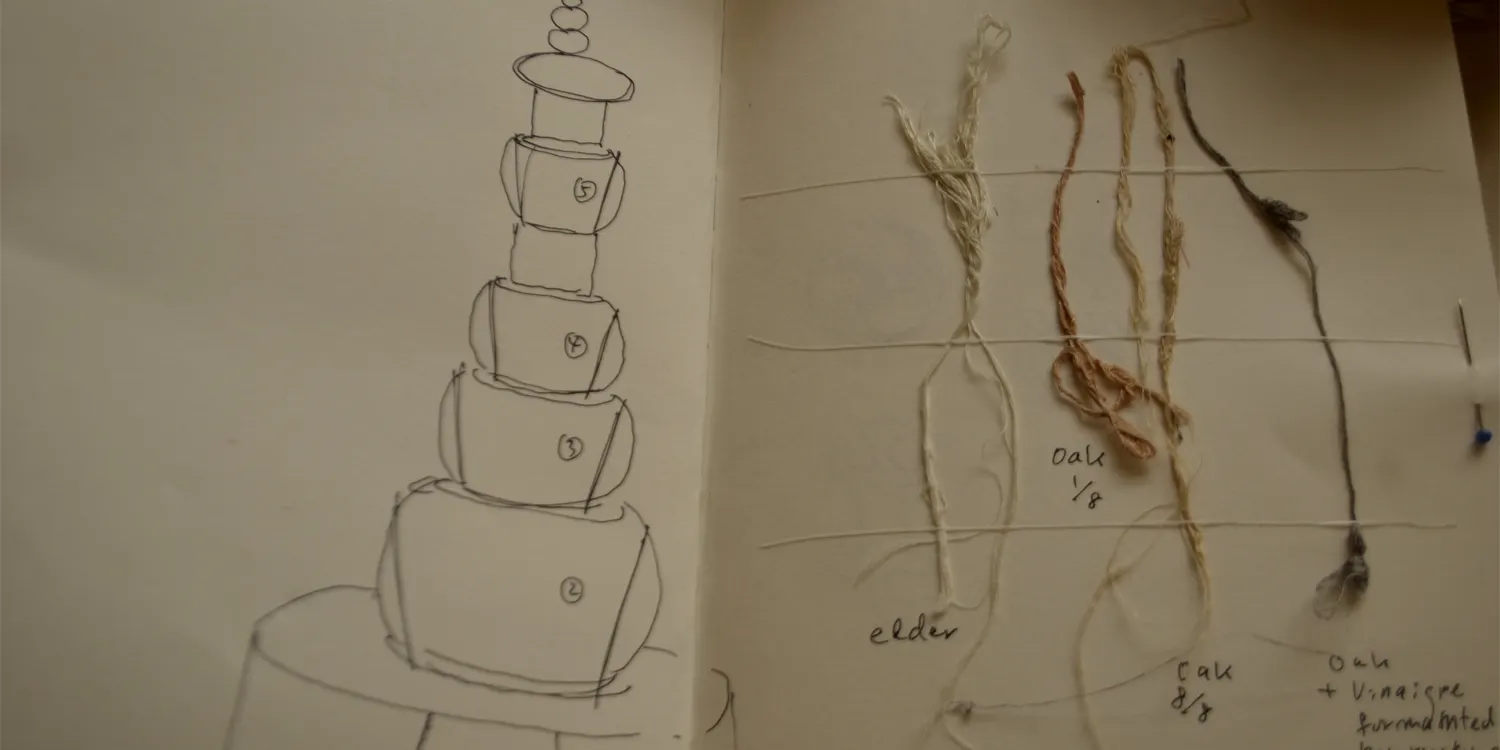
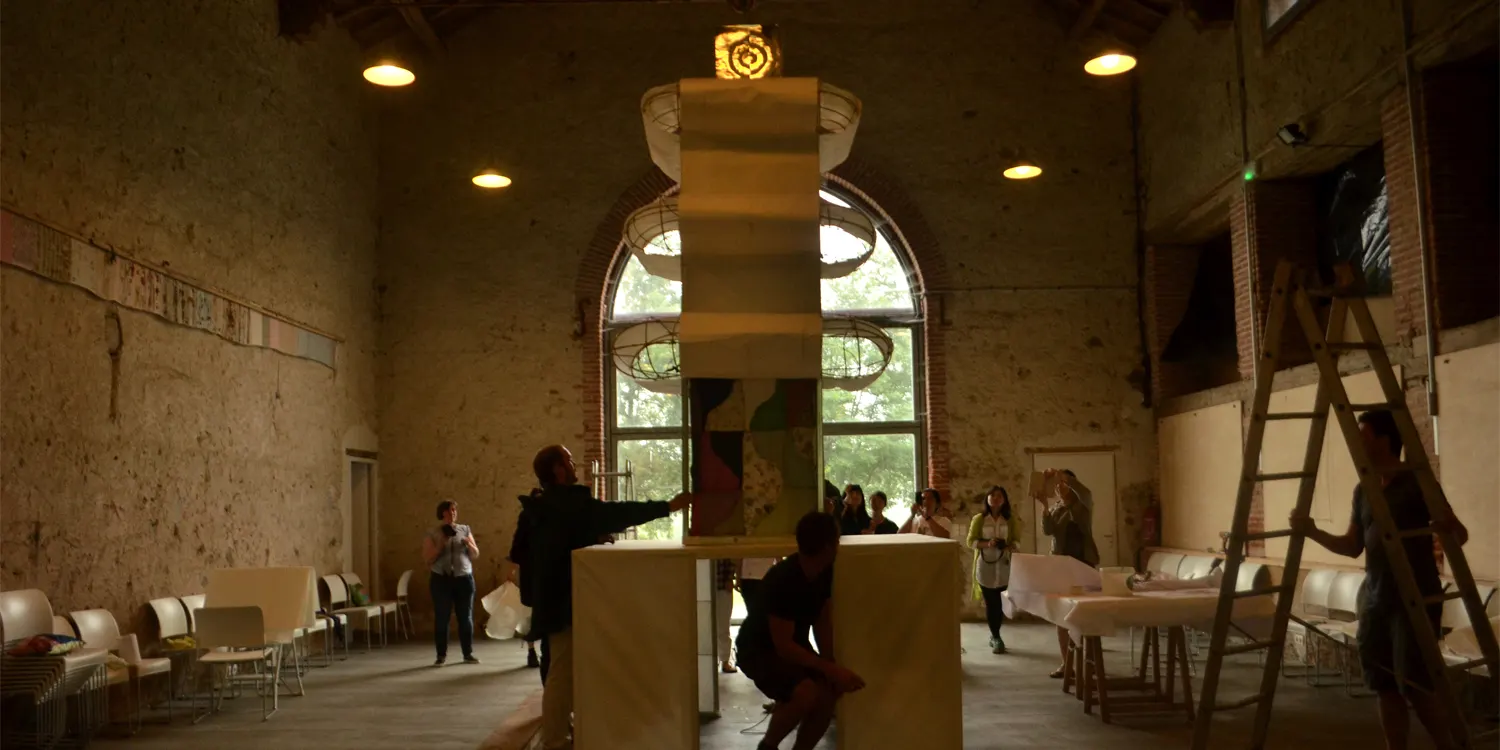
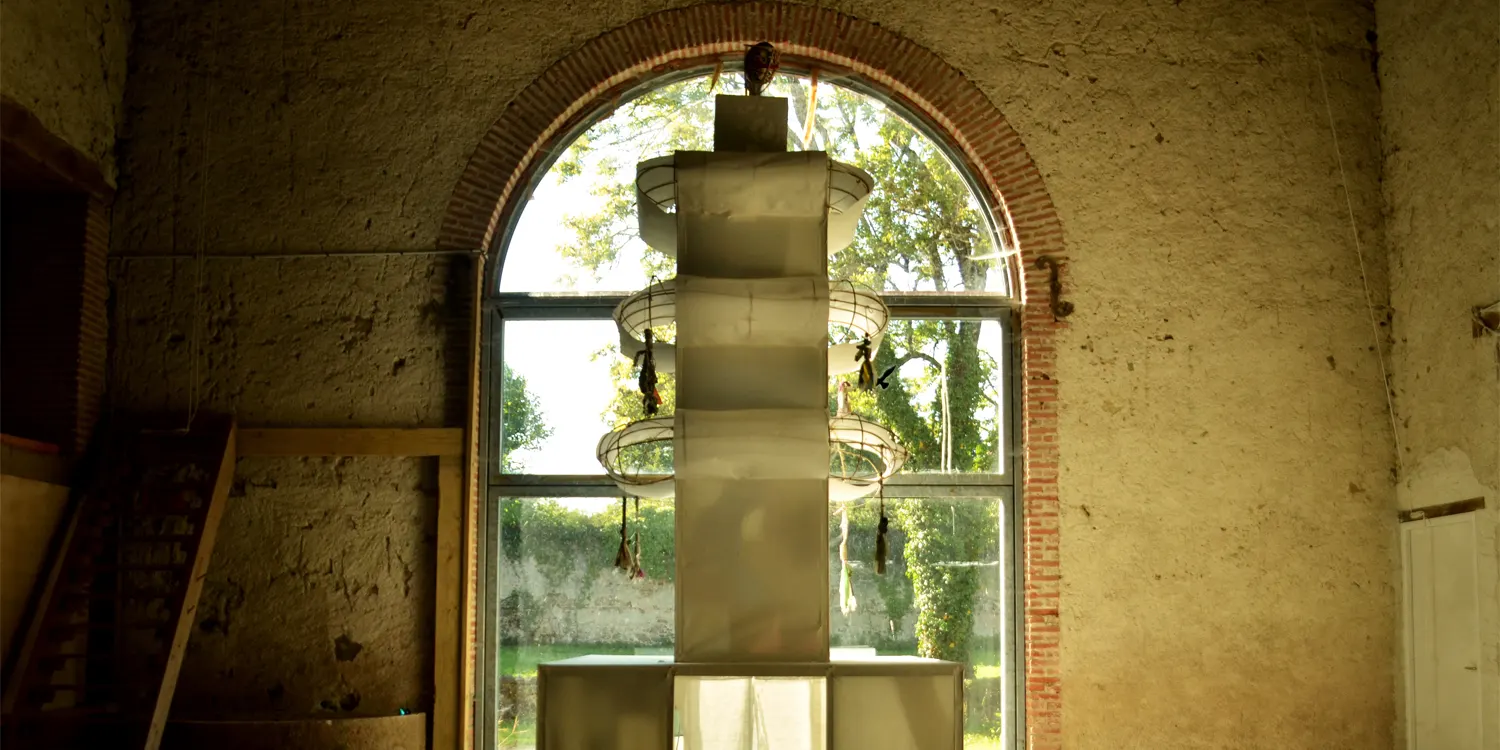
The ‘pagoda’. This is a traditional Hindu or Buddhist structure, once common in Korea, where it is still found in Buddhist temple precincts. Pagodas come in many different sizes and styles but are usually tower-like and multi-storied or tiered, and often contain important relics and remains. Symbolically, pagodas originally represented a sacred mountain. Here, the pagoda symbolizes the framework for a community. The traditional Korean textile form called ‘jogak-bo’ - patchwork traditionally made by women using discarded fragments of cloth and other material - is an early version of re-cycling or up-cycling. Here, ‘patchwork‘ symbolizes the new ideal of community.
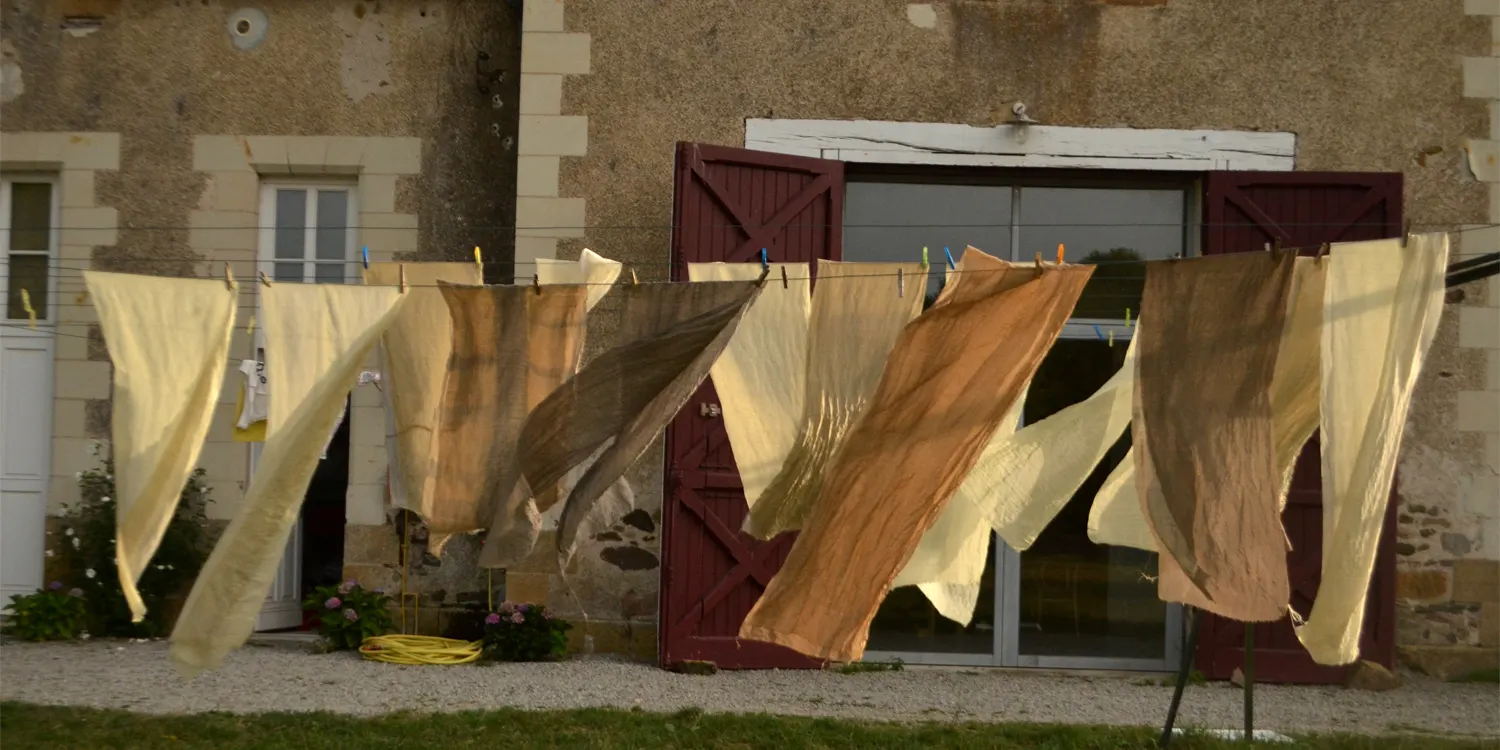
In the past, a community was like a single, woven piece of cloth, but today is like a patchwork. The different patches preserve the signs of their origins but are sown together to make a new whole. In the Workshop, the concept of ‘patchwork‘ will be extended to include a variety of materials in two- and three-dimensions.
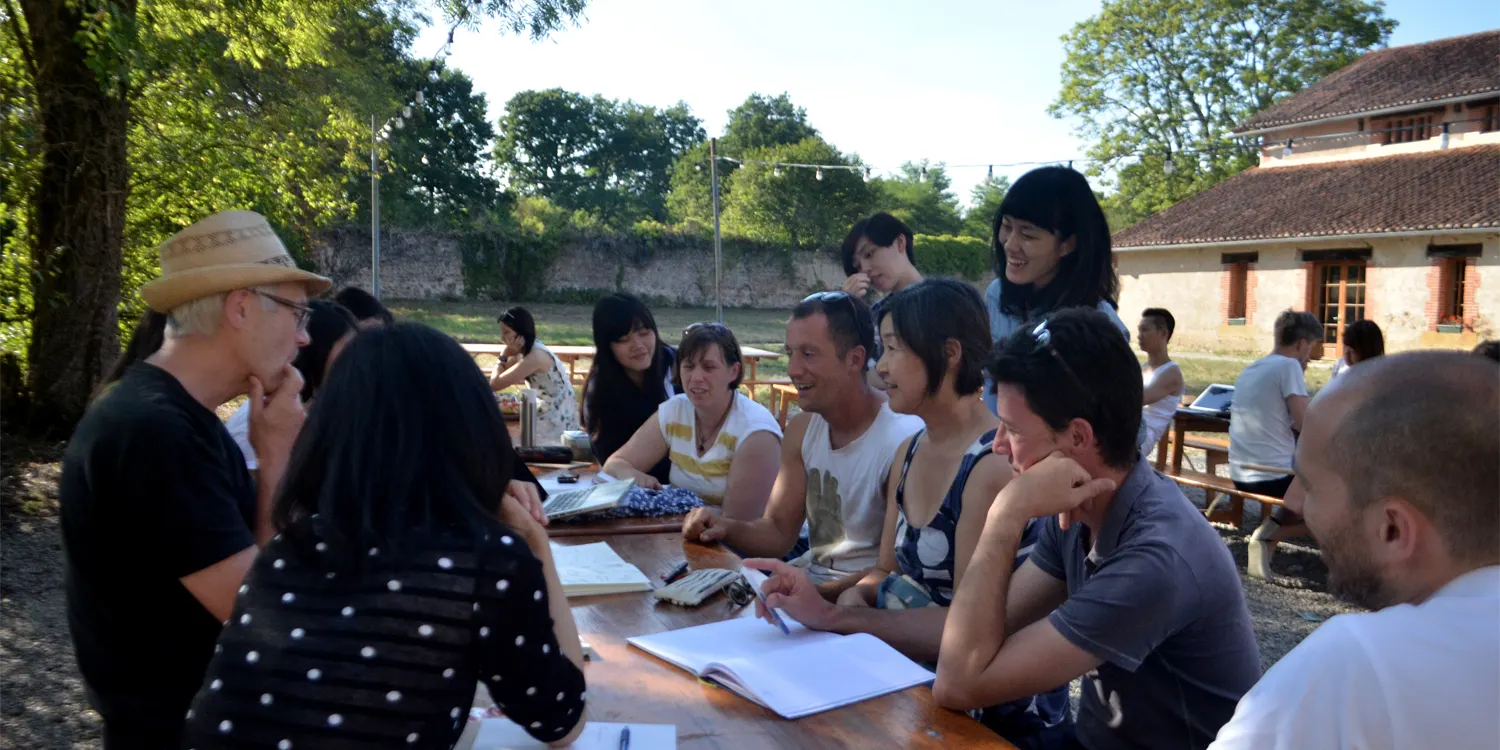
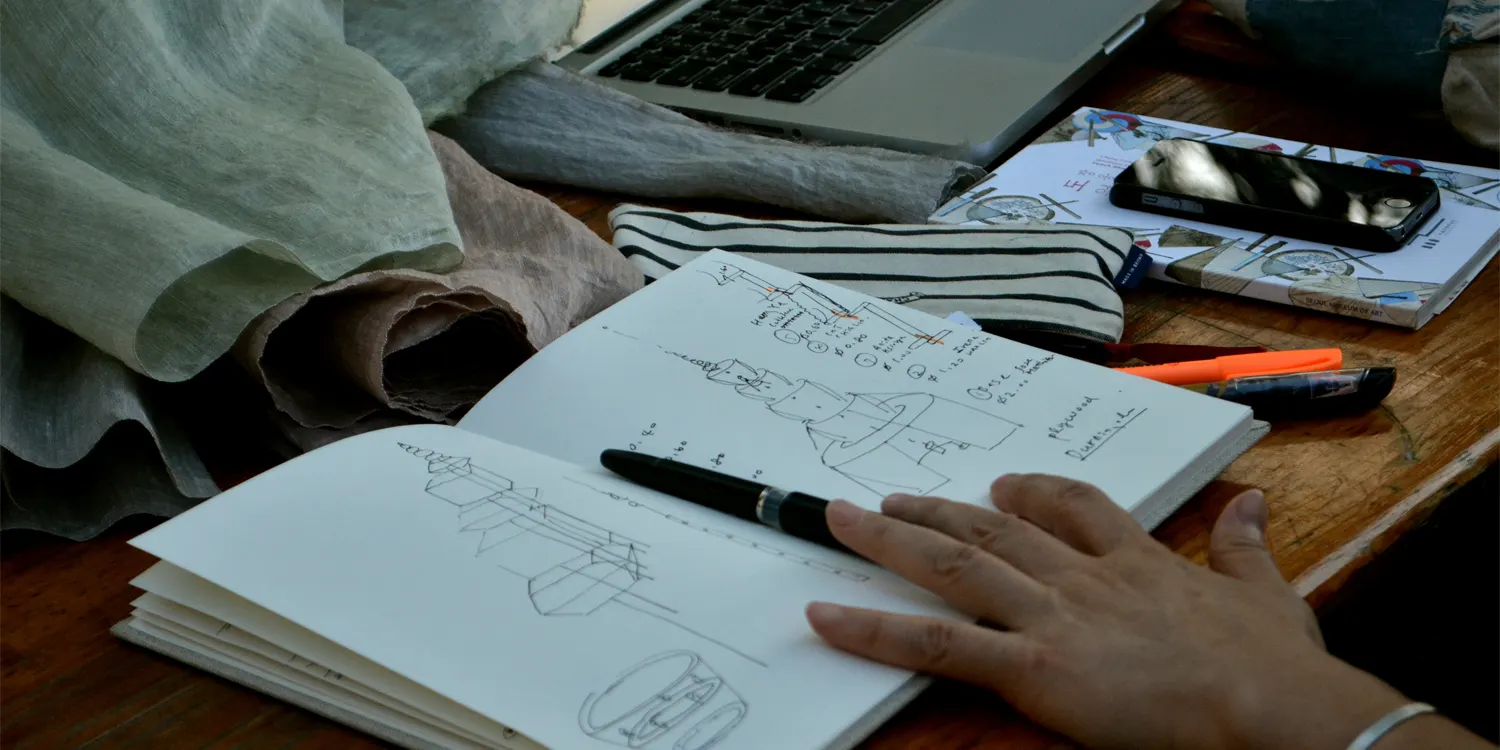
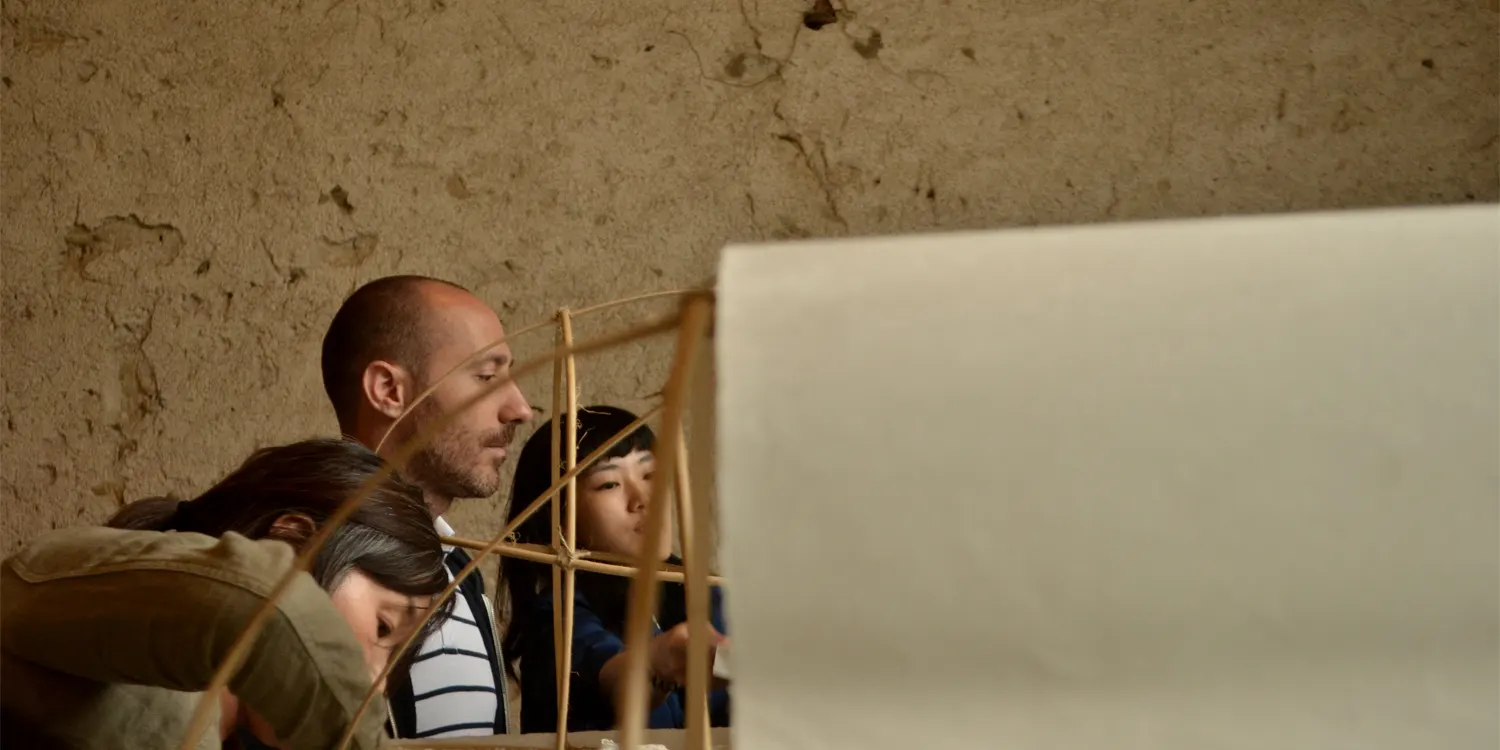
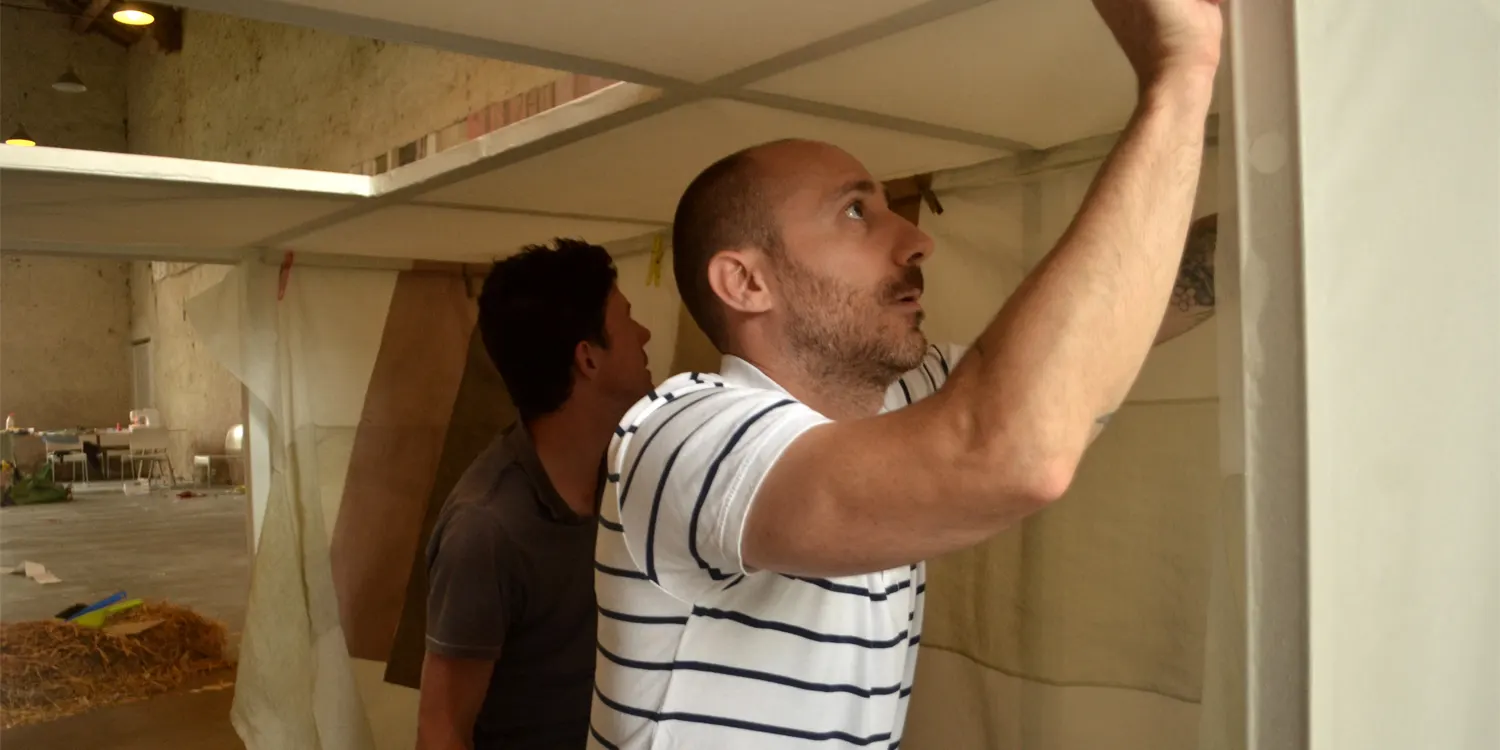
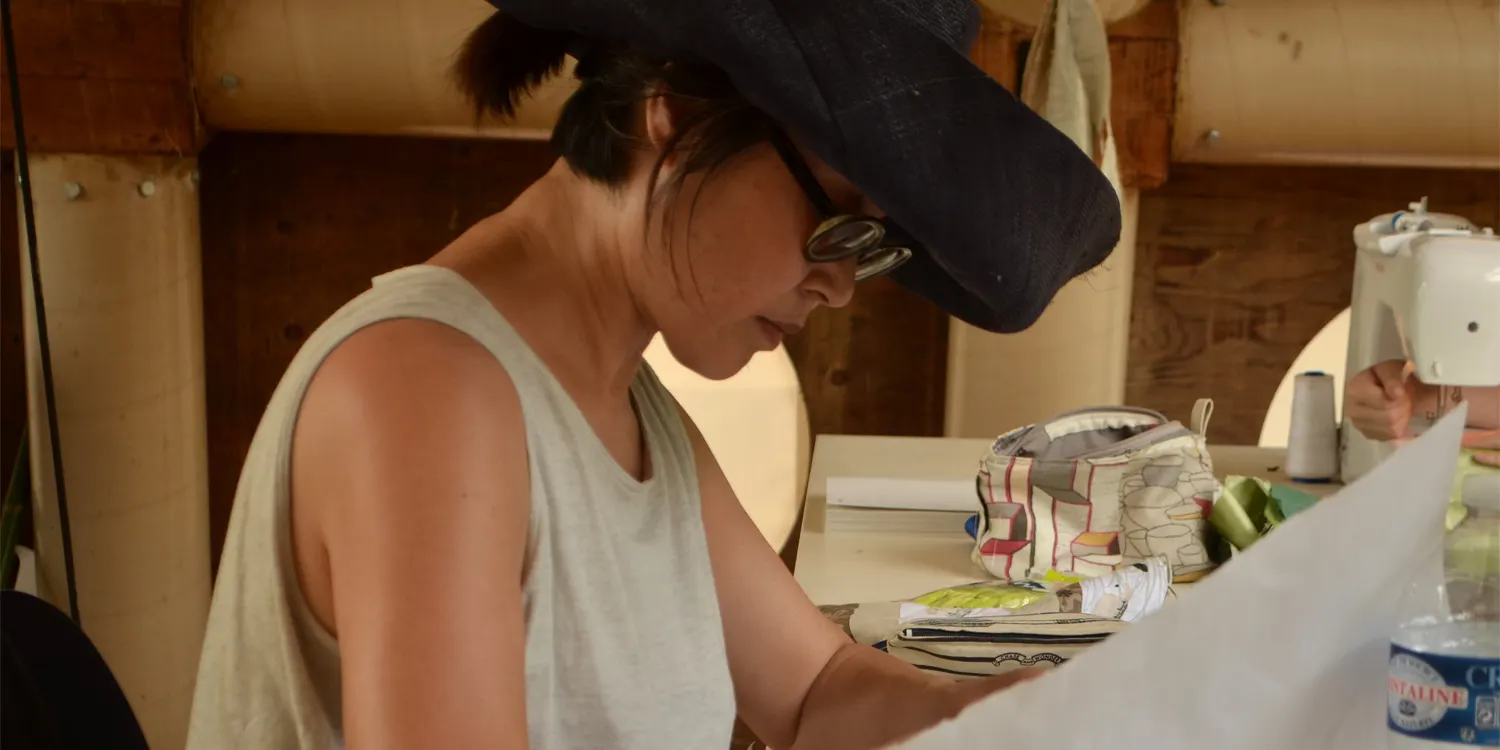
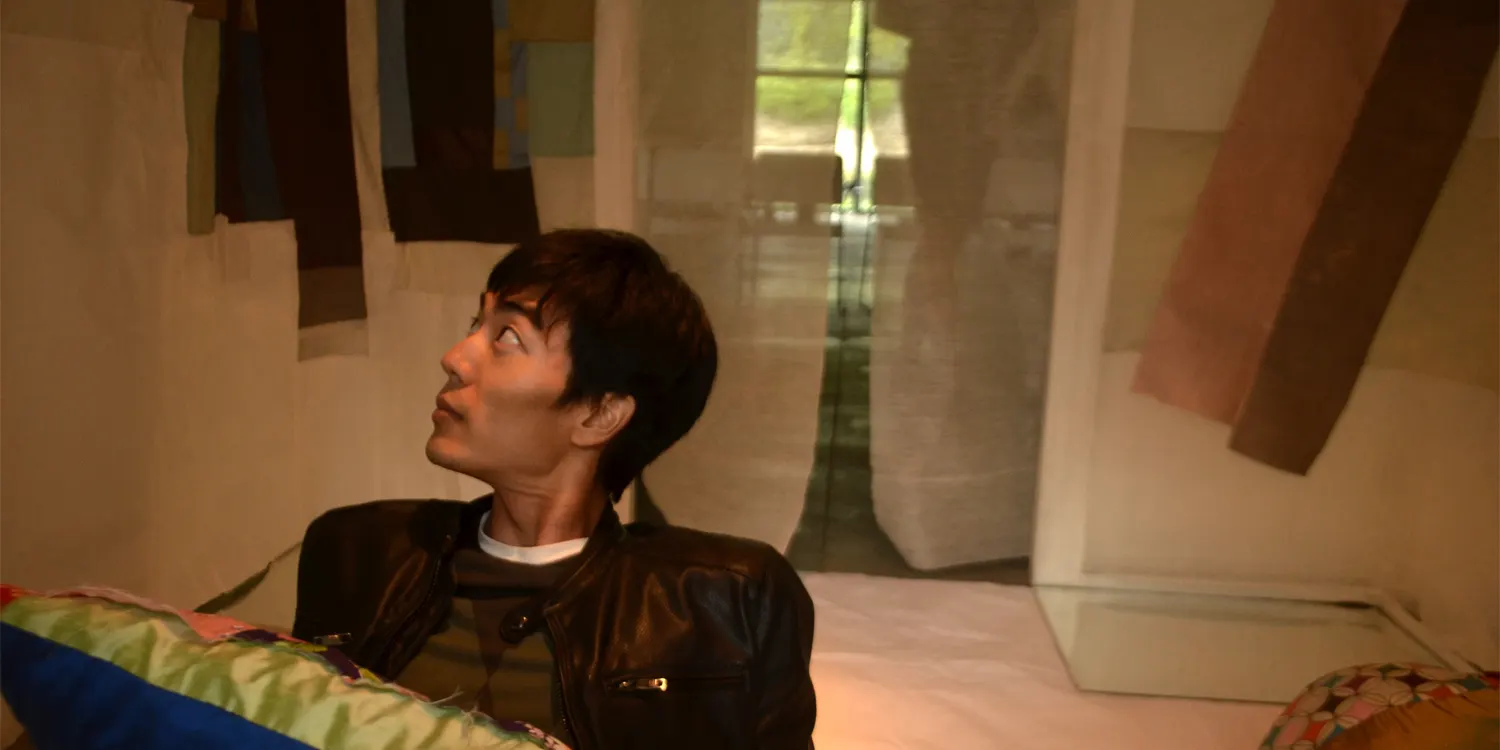
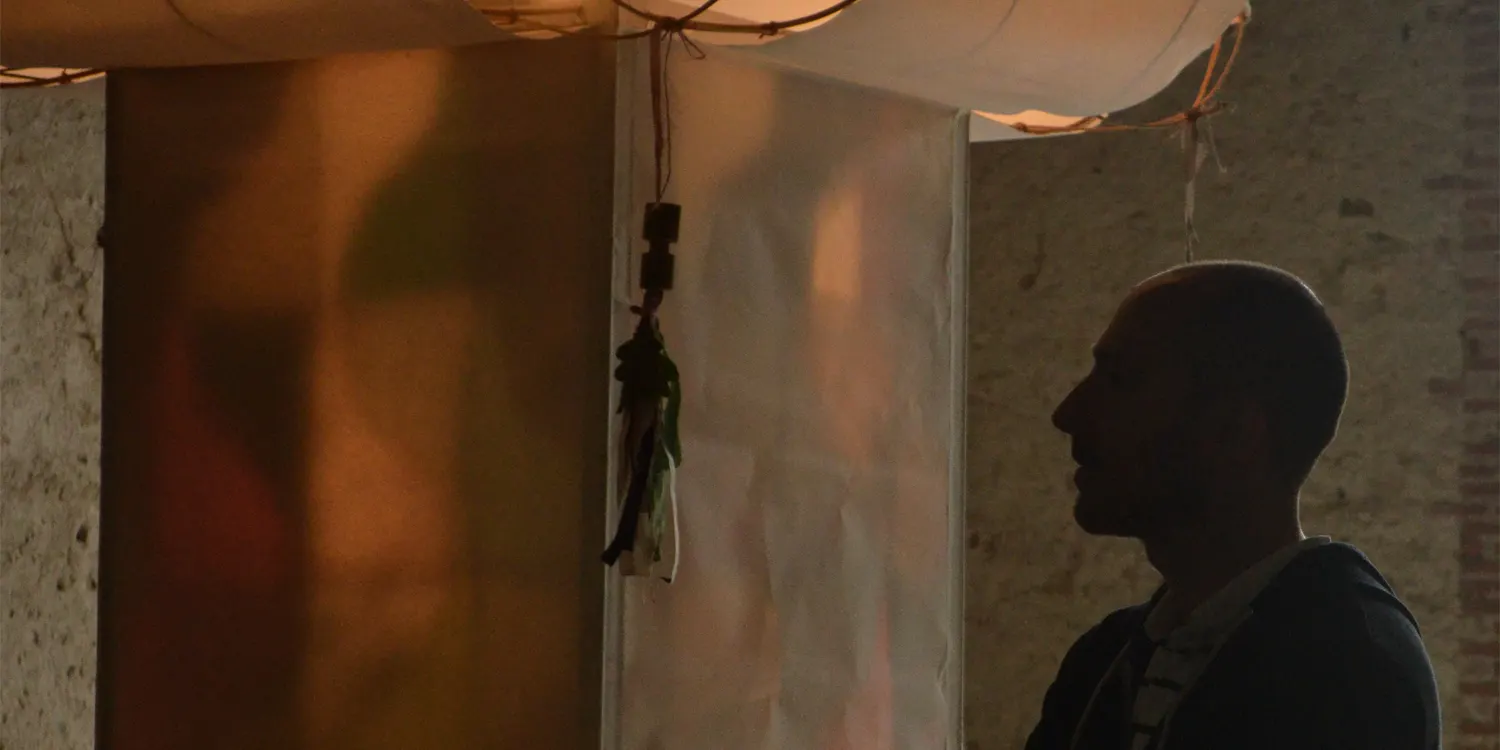
4.Outcome Participants made symbolic or representative patterns of their own culture using whatever materials were at hand, and were invited to integrate their object/image into the simple pagoda framework designed by me, thereby creating a collective ‘patchwork pagoda’.